


Updated October 2026
Hard vs Soft Pool Cue Cases — Which Type Is Best?
The best pool cue case type comes down to protection vs convenience: hard cases give the most impact protection and are best for travel and tournaments, while soft cases are lighter and easier for daily carry to your local room. Here's how to decide, plus how case opening styles affect protection.
Hard Pool Cue Cases — Maximum Protection
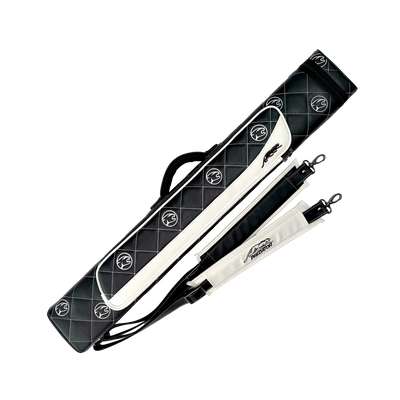
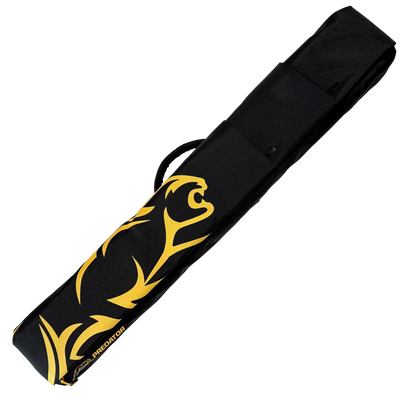
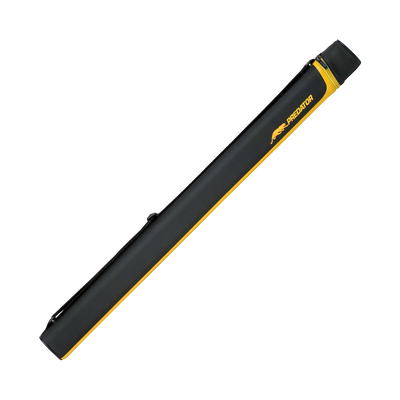
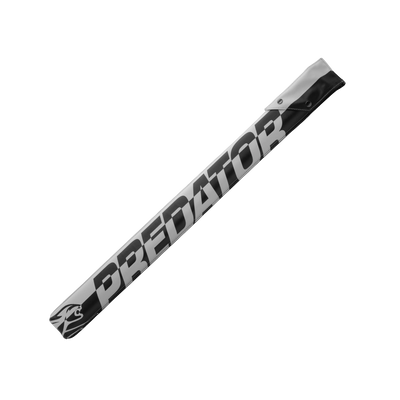
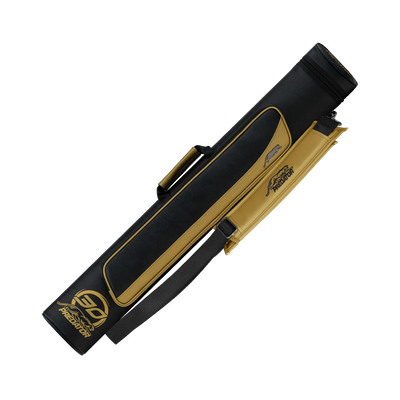
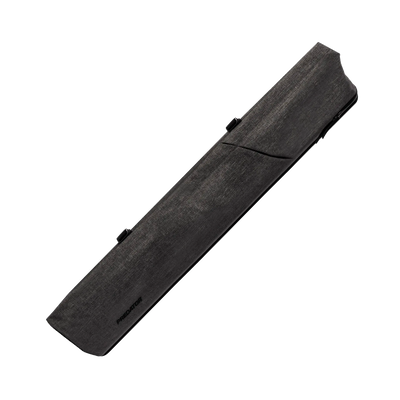
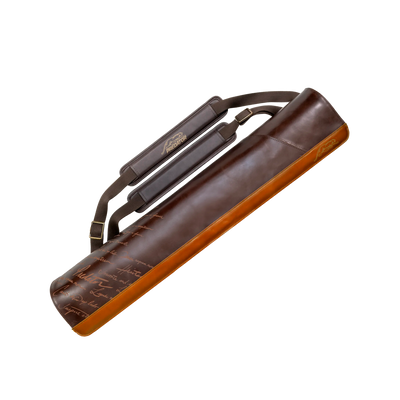
A hard pool cue case uses a rigid shell to protect your cues from impacts, drops, and crushing — the best choice if you travel, fly, or play tournaments. It's the safest way to carry premium cues. Predator's Roadline and Urbain hard cases are good examples.
Soft Pool Cue Cases — Light Daily Carry
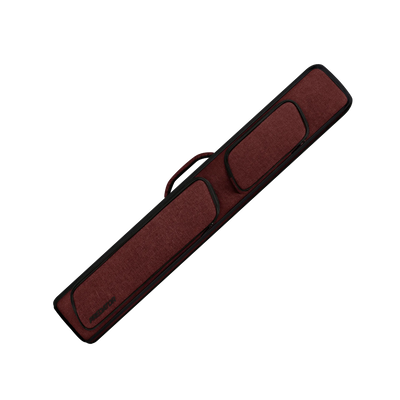
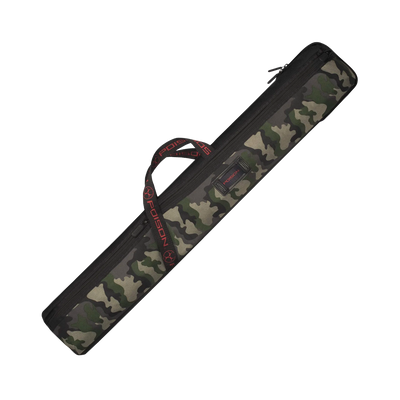
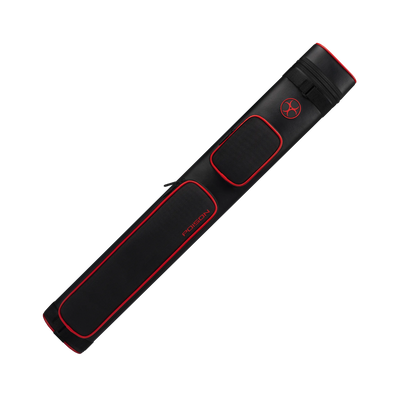
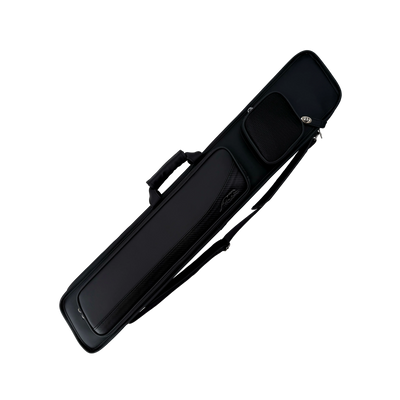
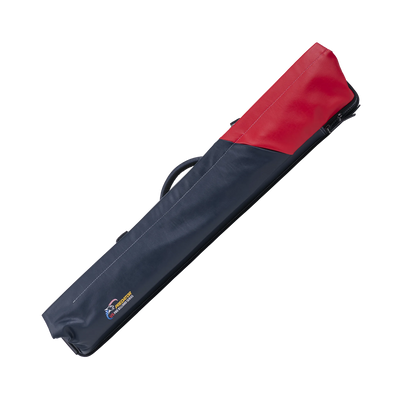
A soft pool cue case is lighter and slimmer, ideal for quick trips to your local room where heavy-duty protection isn't critical. Soft cases still pad and separate your cues; they simply trade some impact resistance for weight and convenience.
Top-Opening vs Butterfly-Opening
Beyond hard and soft, how a case opens matters:
- Top-opening cases — cues slide into individual tubes from the top; maximum separation and protection.
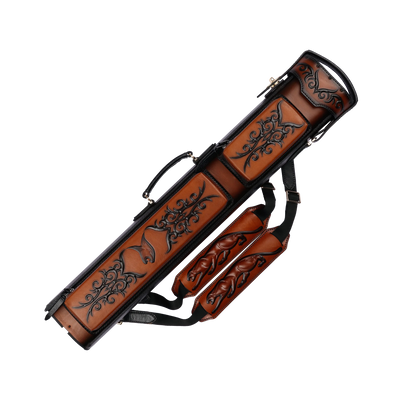
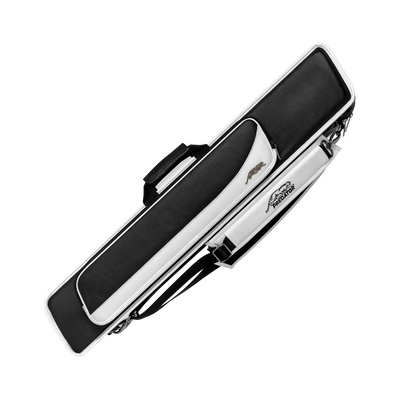
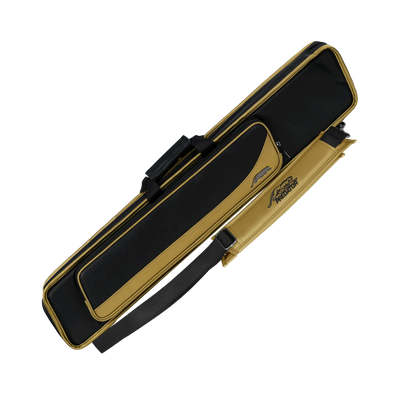
- Butterfly-opening cases — the case opens lengthwise for easy access and display.



Which Should You Choose?
- Travel often, fly, or play tournaments → hard case.
- Short trips to a local room, want a light carry → soft case.
- Maximum cue separation → top-opening.
- Easy access and a premium look → butterfly.
Protecting a premium cue? A hard case is the safest home for advanced cues like the P3 series and for REVO carbon fiber shafts — both worth the extra impact protection when you travel.
Read the full cue case guide.
Material Comparison
Hard vs Soft Pool Cue Cases at a Glance
A hard pool cue case uses a rigid shell for maximum impact protection, making it the best choice for travel and tournaments. A soft cue case is lighter and easier to carry day to day. Compare the two side by side below.
| Feature | Hard Cue Case | Soft Cue Case |
|---|---|---|
| Protection | Rigid ShellAbsorbs impact and resists crushing — best for checked luggage and tournament travel. | Padded FabricGuards against scratches and dings, but offers less protection from hard impacts. |
| Weight | HeavierOwing to the rigid construction and internal tubes. | LighterEasier to sling over a shoulder for daily carry to the pool hall. |
| Cue Separation | TubesIndividual tubes keep each butt and shaft isolated so they never knock together. | DividersPadded slots or dividers; cues are protected but sit closer together. |
| Opening Style | Top OpenOften top-opening for full cue separation and secure closure. | Butterfly OpenFrequently butterfly-opening for fast, easy access between racks. |
| Price | LuxuryTypically a higher investment for the added structure and materials. | AffordableGenerally more affordable at the entry level. |
| Best Use | SturdyFlying, long road trips, leagues, and protecting premium or carbon-fiber cues. | On The GoLocal play, casual transport, and players who want a light grab-and-go case. |
| Choose If | You travel often, carry valuable cues, or want maximum peace of mind. | You play mostly local and prioritize light weight and quick access. |
Hard vs Soft Case Questions
Hard pool cue cases are better for protection and travel because their rigid shell guards against impacts and crushing, while soft cases are better for light daily carry thanks to their lower weight. The best type depends on how much you travel and how much protection your cues need.
A hard case is the safest choice for any premium cue or REVO carbon fiber shaft. While carbon fiber resists warping, it can still chip or crack from impacts, so a hard case offers the best protection for travel and tournaments.
A top-opening case holds cues in individual tubes you slide in from the top for maximum separation and protection, while a butterfly case opens lengthwise for easy access and display. Top-opening favors protection; butterfly favors convenience.
Yes, for everyday carry. Good soft cases pad and separate your cues to protect against scratches and minor bumps. For air travel, tournaments, or expensive cues, a hard case is the better choice.


