


Updated October 2026
Why Is Low-Deflection Better?
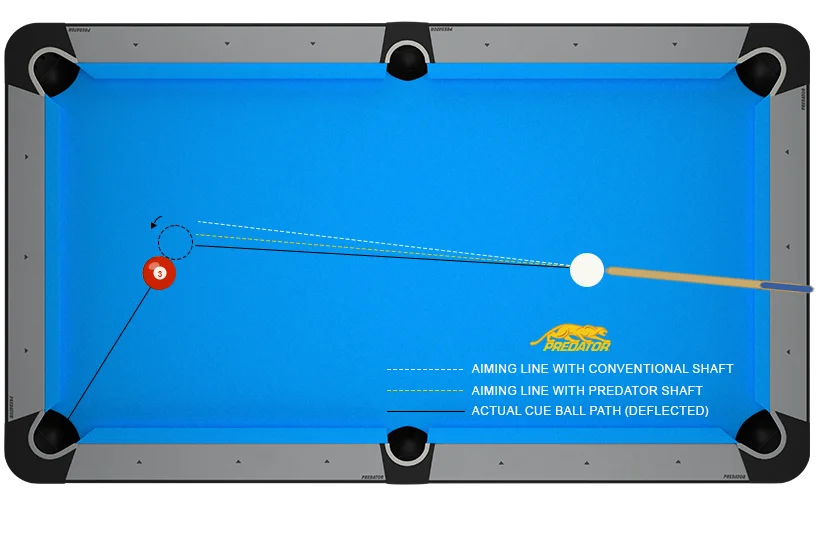
What Is Cue Ball Deflection (Squirt)?
Winning games and playing at a high level requires the ability to control where the cue ball goes, setting yourself up in a good position to make a series of shots and run out the rack. Getting a good position, or “shape” in pool terms, often requires applying English (side spin) to control where the cue ball is going. Most shots are missed when English is used because the cue ball doesn’t go where it’s aimed. Instead, it’s pushed to the opposite side of where the cue tip hit it, a phenomenon known as cue ball deflection or squirt. The typical player takes years to learn to compensate for this error factor.
The amount of cue ball deflection depends on the cue used, tip placement, and the speed of the stroke. The farther the strike from center, the more the cue ball is deflected off-line. Cue ball deflection will also increase with a faster stroke.
Why Is a Low-Deflection Shaft Better?
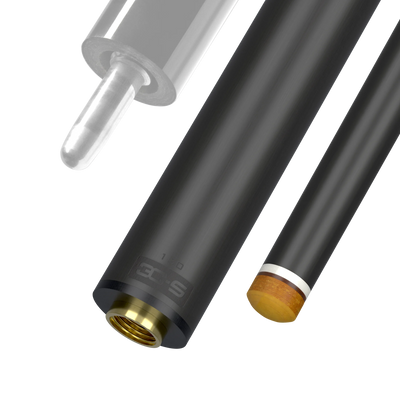
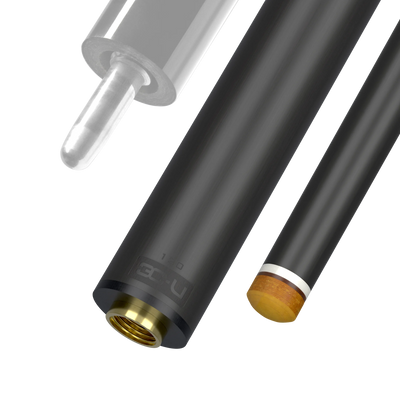
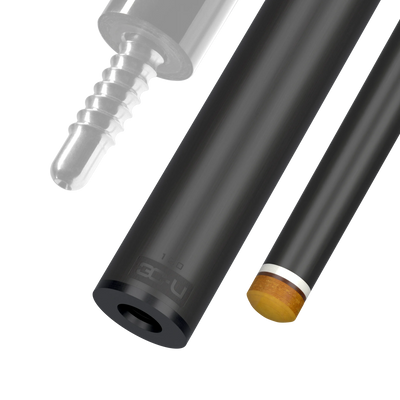
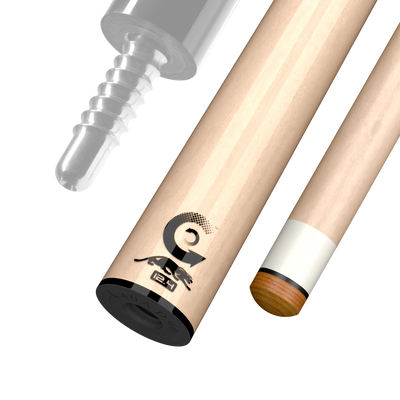
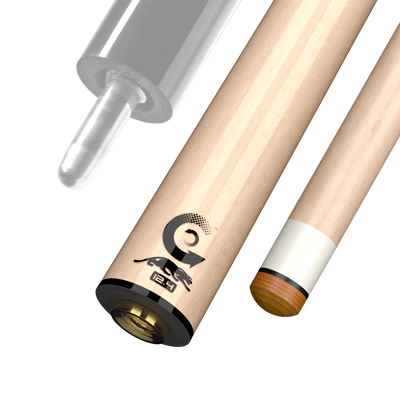
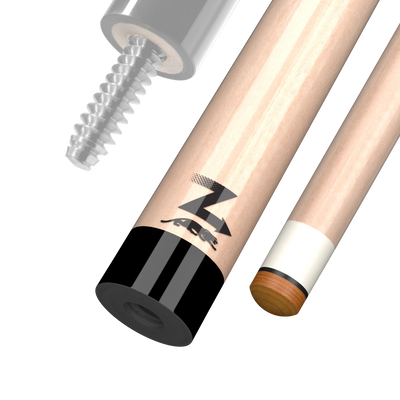
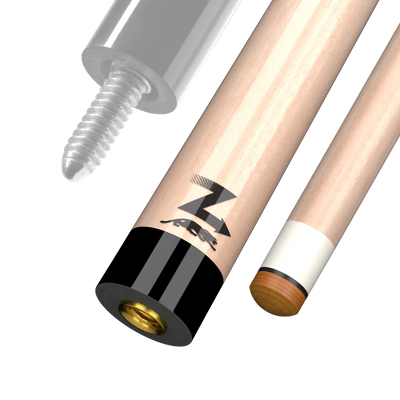
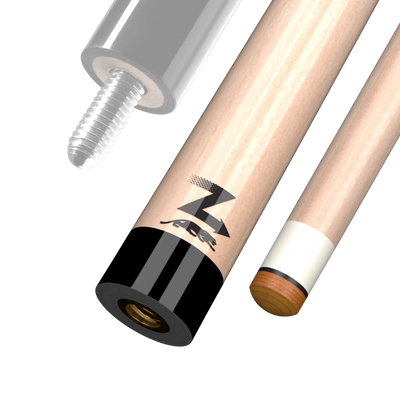
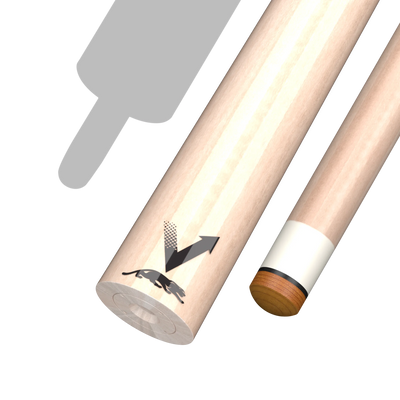
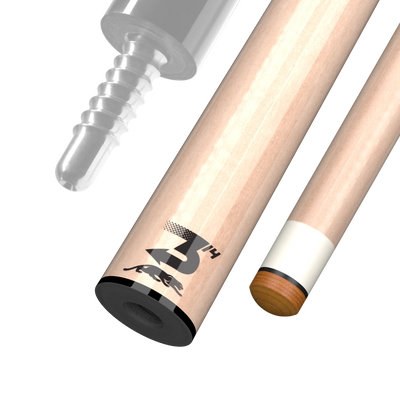
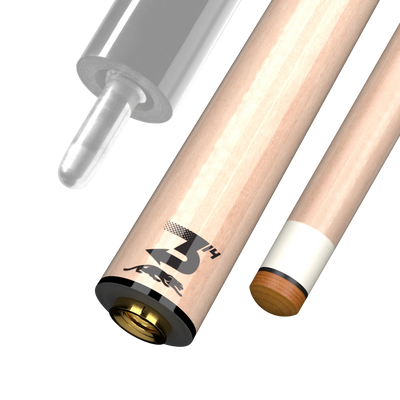
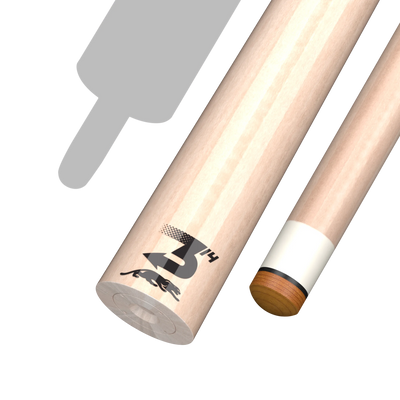
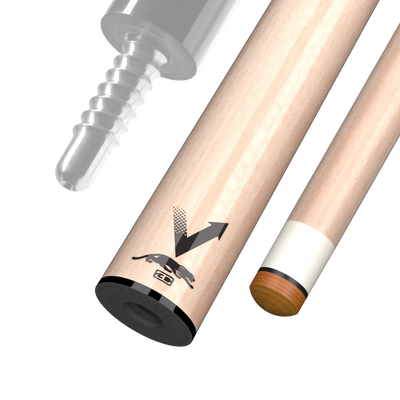
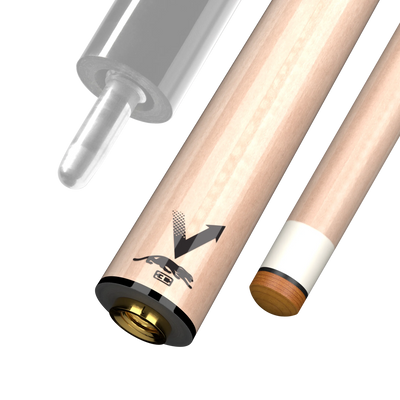
Lower-deflecting pool cues require less compensation, making the game easier to play. Predator first pioneered low-deflection cue shafts with spliced maple over 30 years ago. Recently, they evolved the process with REVO carbon fiber shafts. Predator cue shafts are designed to reduce cue ball deflection and are the lowest-deflecting shafts on the market. They significantly increase your chances of making your shot when you use English.
REVO carbon fiber shafts reduce cue ball deflection by 80% compared to a standard maple shaft. Put simply, a low-deflection shaft is more accurate and will help you progress faster
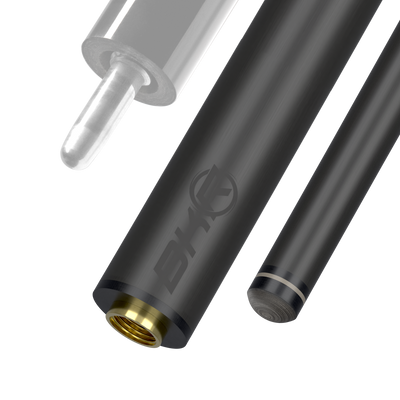
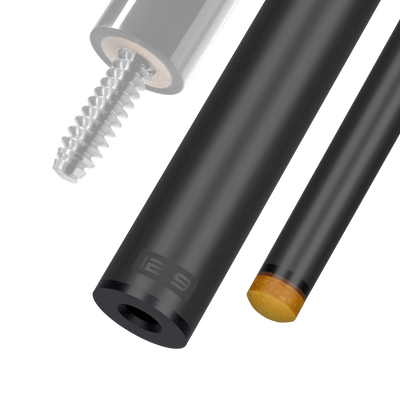
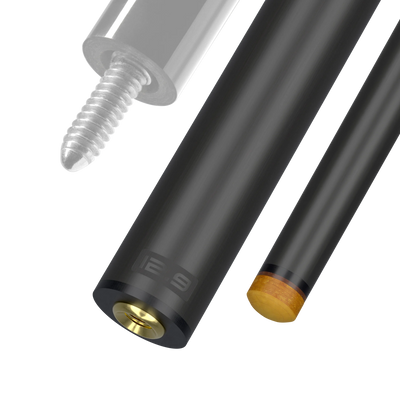
REVO Carbon Fiber vs. Maple: Which Low-Deflection Shaft Should You Choose?
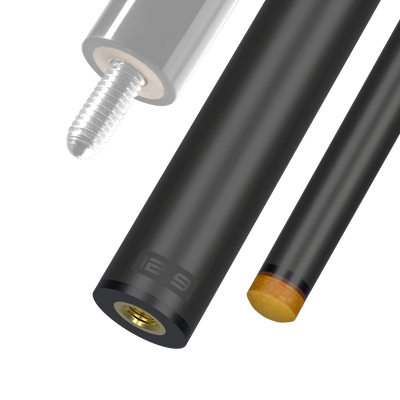
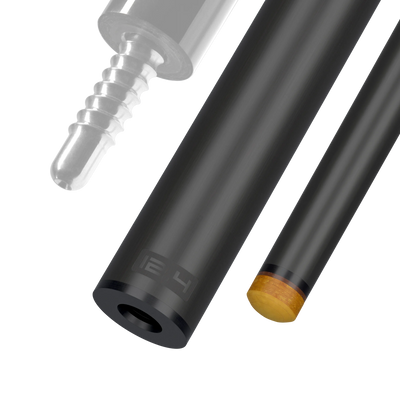
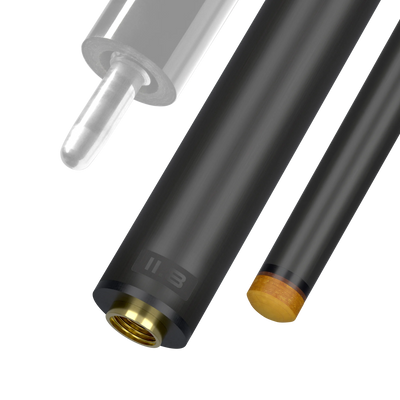
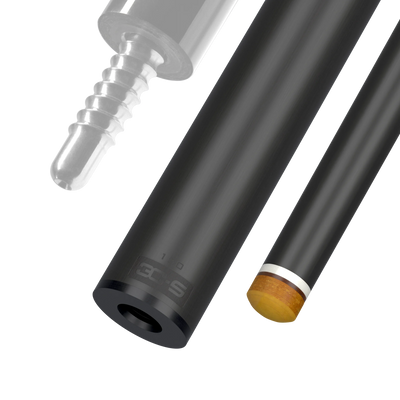
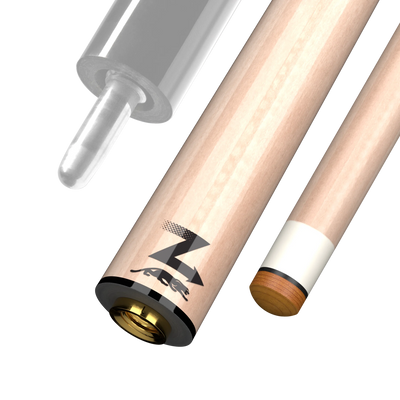
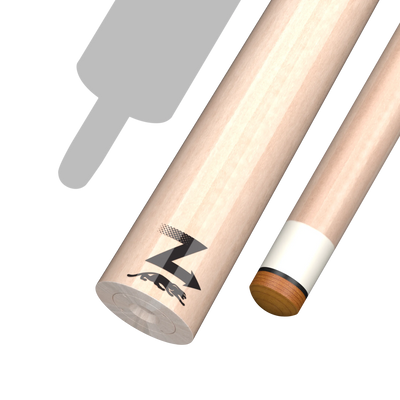
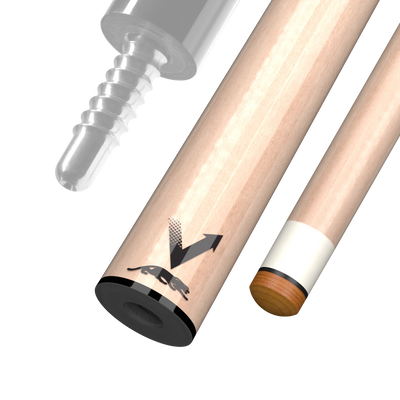
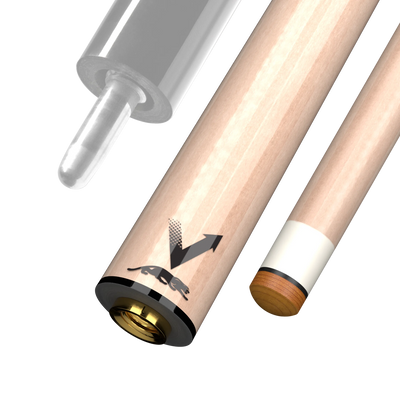
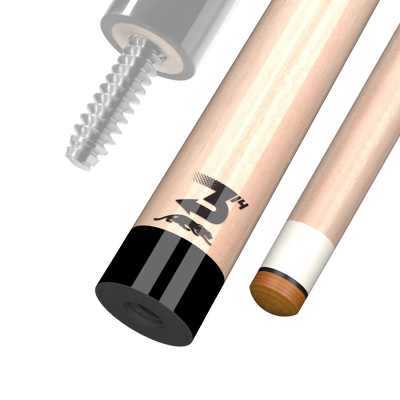
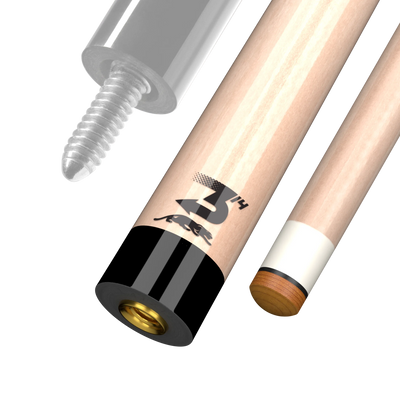
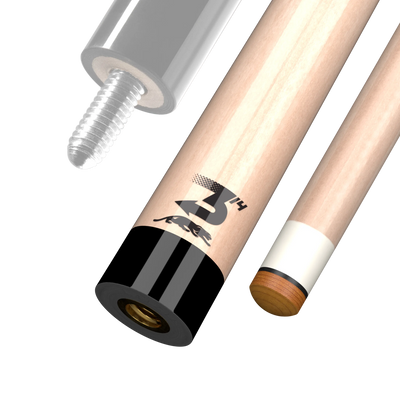
Predator makes two low-deflection shaft families, and this page currently doesn't distinguish between them.
- REVO carbon fiber — lowest deflection in the lineup, doesn't warp or react to humidity, consistent hit for the life of the shaft.
- 314-3 / Z-3 maple — traditional feel and lower cost, still meaningfully lower deflection than a conventional wood shaft, but with the natural material characteristics of wood.
Shop low-deflection shafts
How Do I Practice Compensating for Deflection?
To practice deflection, use the illustrations below to set up your shot. Each depicts the aiming point and the paths the object ball will take with a low-deflection Predator shaft, and a conventional shaft. Note, the Desired Cue Ball Path shown is approximate and will vary slightly depending on the shaft you’re playing with.
As you improve, practice these shots with different distances between the cue ball and the object ball. Once you reach a five- to six-foot range, you will need to make an adjustment and aim the object ball closer to the rail at the point of the pocket.
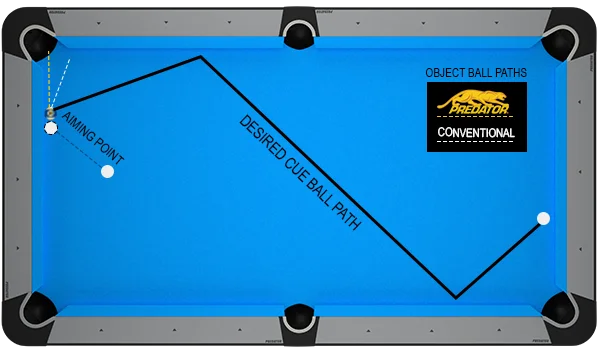
Deflection Drill 1: Aim high left on the cue ball for left English and right deflection.
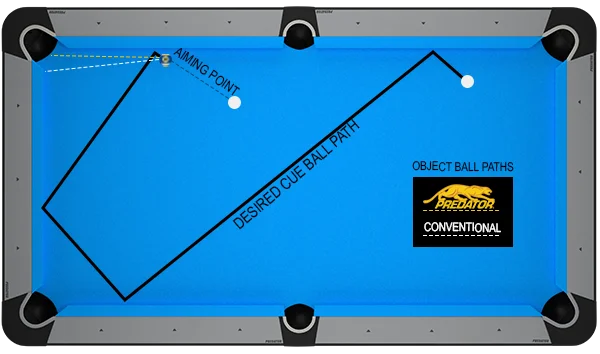
Deflection Drill 2: Aim high right on the cue ball for right English and left deflection.
Repeat with the opposite English: Do the same drills with the opposite English to get familiar with adjusting for inside and outside English and see how much you have to adjust.
With these drills, you will quickly learn how little you have to compensate with your Predator product. You will soon realize how Predator will take your game to the next level.

About Pivot Points
With any shaft, there is an optimal spot called the pivot point where you need to bridge to maximize your accuracy. In simple terms, if you bridge at the correct pivot point for your shaft and your initial setup alignment is on target, you can hit the cue ball off-center and still hit the 1-ball dead center.
At that bridge length, the deflection, or squirt, produced by the shaft will compensate for a stroke that deviated from its original setup or alignment.
Our Revo playing shafts have a pivot point that is around 19", allowing accuracy with a long bridge.
The optimal pivot point on the break is the bridge length that allows you to maximize your speed and gain maximum forgiveness at the same time.
The BK-Rush’s pivot point is around 19″ from the tip end.
Most strong breakers use a long bridge because it allows them greater acceleration and more powerful breaks. Most break cues have pivot points between 9″ and 11″ and require an extremely accurate stroke when using a longer bridge to generate speed. With pivot points longer than most other break cues, Predator Break cues give you greater speed, increased accuracy, and a more powerful break.
Does Tip Shape Affect Deflection?
Yes. Predator's research found that a dime-radius tip shape produces 5–10% less cue ball deflection than the more common nickel radius, because it centers contact on the strongest part of the shaft.
Low-Deflection Cues and Shafts Questions
Cue ball deflection, also called squirt, happens when hitting the cue ball off-center with English pushes it slightly off-line from where the cue was aimed. The farther from center you strike, and the faster the stroke, the more the cue ball deflects.
A low-deflection shaft reduces how far the cue ball squirts off-line when you apply English, so less compensation is needed to hit your target. That means more shots land where you aimed the first time, without years of trial-and-error adjustment.
The pivot point is the bridge length at which an off-center hit on the cue ball still sends it toward your original aim point, because the shaft's deflection cancels out the angle change. Predator's REVO playing shafts have a pivot point around 19 inches, allowing a longer, more natural bridge.
Most break cues have pivot points between 9 and 11 inches, which demands a very accurate stroke at longer bridge lengths. Predator's BK Rush has a longer pivot point, around 19 inches, giving strong breakers more speed and accuracy at the bridge length they already use.
Yes. Predator's research found that a dime-radius tip shape produces 5–10% less deflection than the more common nickel radius, because it centers contact on the strongest part of the shaft.
Yes. Deflection increases with both distance from center and stroke speed, so a hard-hit shot with English deflects more than a soft one struck in the same spot.


