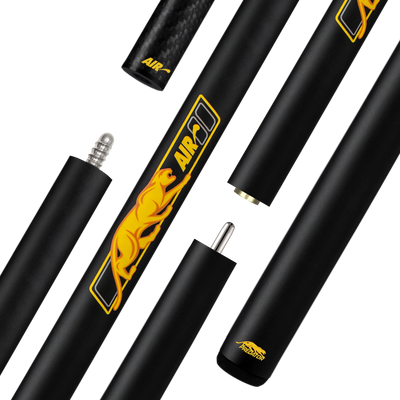
*Please note, we no longer carry Uni-Loc Bullet Joint

Uni-Loc Quick-Release Joint

Uni-Loc Radial Joint

Updated October 2026
*Please note, we no longer carry Uni-Loc Bullet Joint
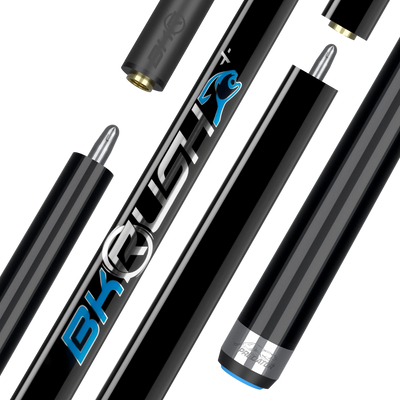
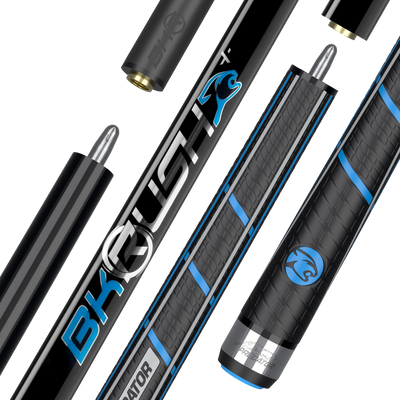
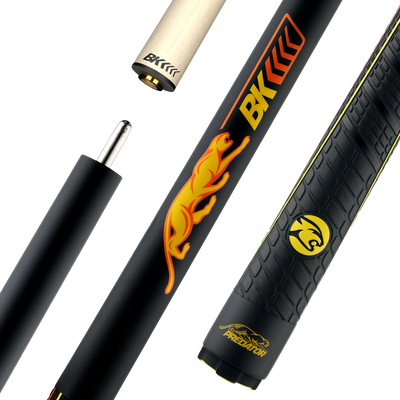
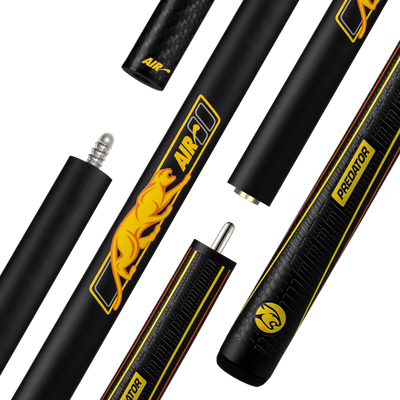
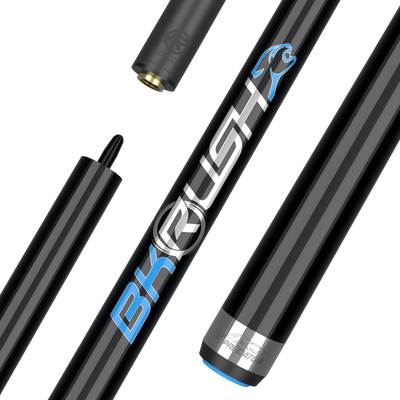
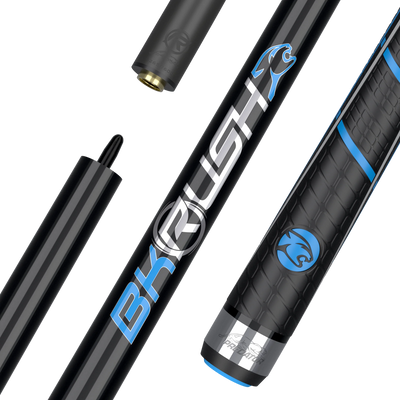
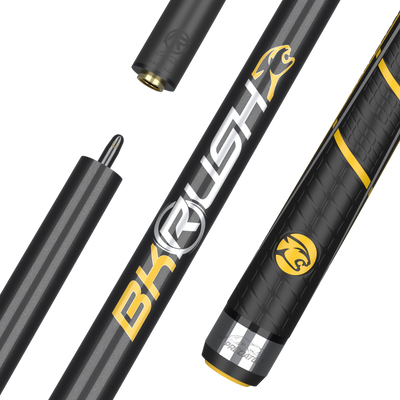
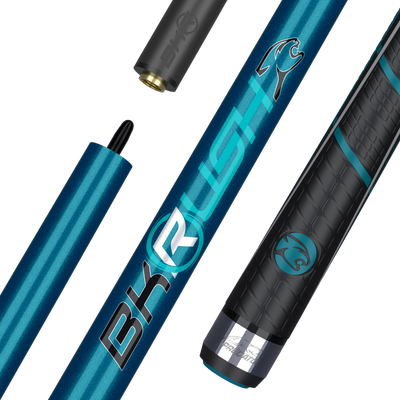
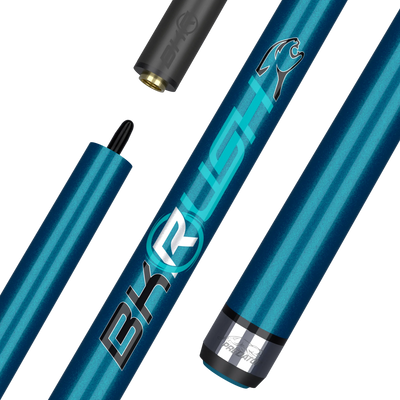
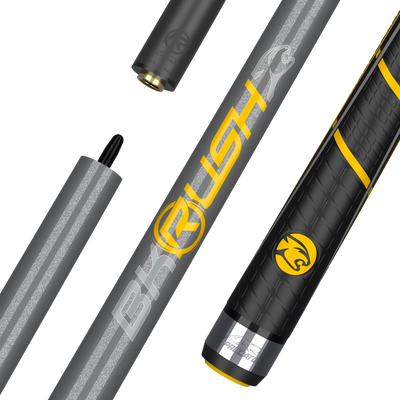
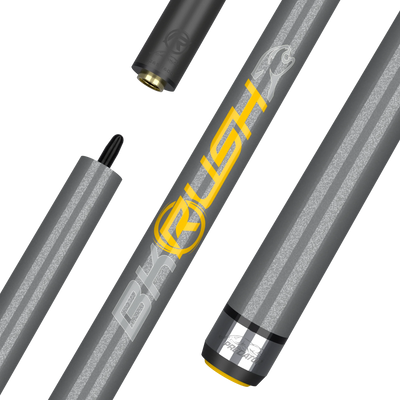
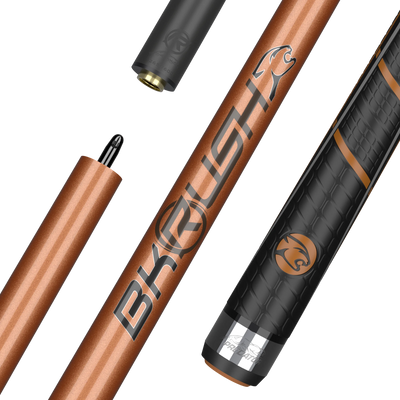
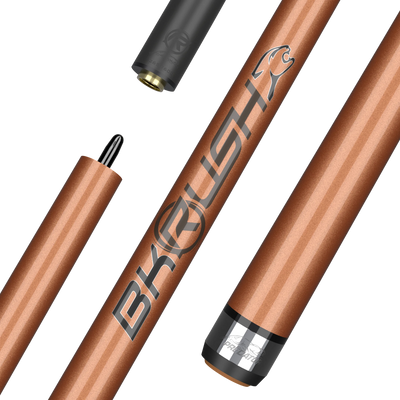
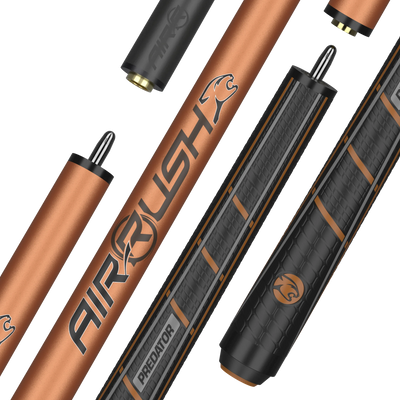
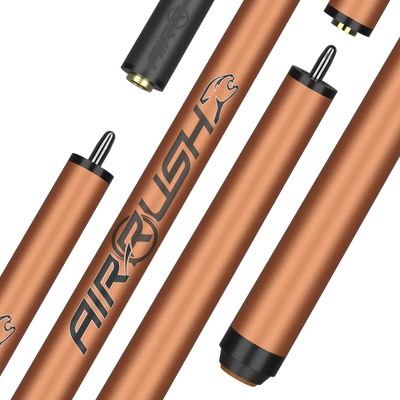
Predator utility cues such as the BK Rush and Air Rush, feature the Uni-loc Steel-Lite Quick Release pin.
The Preditor Uni-loc Steel-Lite Quick Release pin is a unique joint with a shorter pin than the standard Uni-Loc Quick-Release pin featured on our playing cues. It is used for its lighter weight for performance reasons that are beneficial on break and jump shots. The shaft must be joined with the cue butt with care to align them together correctly, or misthreading may occur. This also applies to break/jump and jump cue handles and forearms. You will need to line the shaft up with the cue butt, insert the pilot end of the shaft into the channel of the pin, and slowly turn clockwise until the thread catches. This shorter pin does not join up as quickly and easily as its counterpart, the longer, Uni-loc Quick Release pin. This is why more care must be taken when joining a shaft to a cue butt, that features the Uni-loc Steel-Lite Quick Release pin.
You may be wondering why Predator chose this pin for their utility cues. This pin was created shorter, to provide a lighter weight and a “break balance” point optimal for the break, as well as a lighter jump cue. This is one reason why the BK Rush Break Cue offers an optimum break weight of 18 or 18.5 ounces, to perform its best when breaking. This is part of the technology, built into the product.
Please click here to read about recommended joint and insert maintenance. Along with following the care instructions for joining your shaft to your cue butt, regular maintenance will prevent mis-threading, joint lock-up, and ultimately, damage to the insert of the shaft.
For more information on our patented, Uni-loc Joints, please visit www.uni-loc.com.


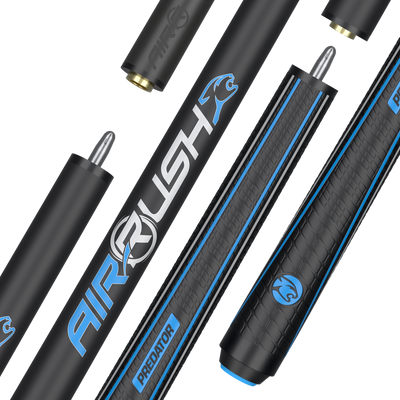
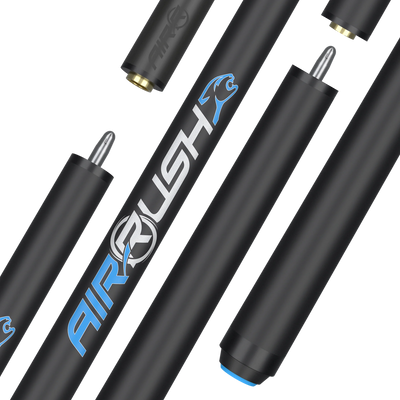
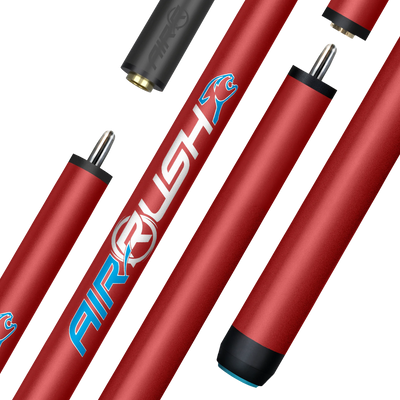
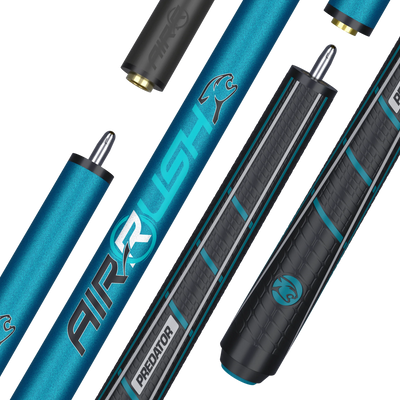
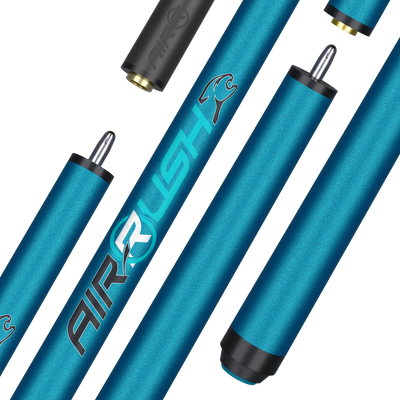
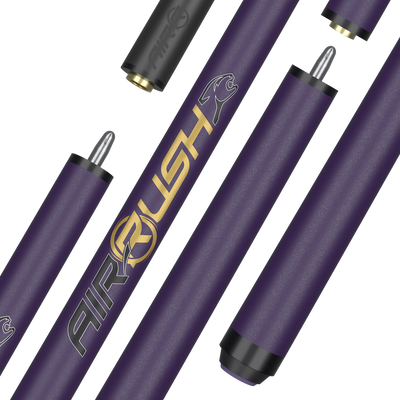
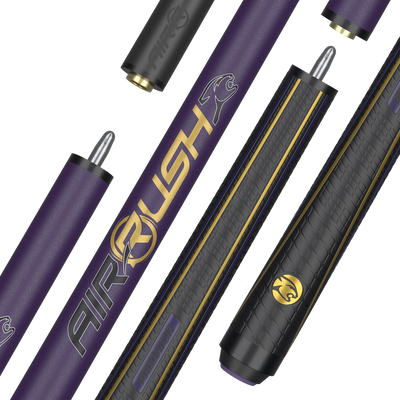
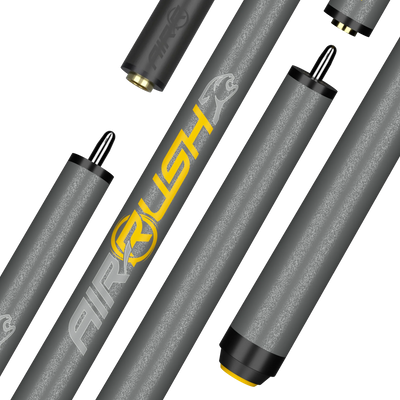
A Uni-Loc joint is a patented, precision-machined connector that joins a cue's shaft to its butt. Unlike a standard threaded joint, it seats with a controlled turn rather than relying on screw threads alone, giving a tighter, more repeatable fit over the life of the cue.
The Uni-Lock Quick-Release joint uses a smooth pin that locks in about one and a half turns, built for speed and a consistent steel-jointed feel. Fans love how easy and convenient it is to put their cue together. The Radial joint uses a larger, 7-thread pin that seats directly into matching threads in the shaft, giving a tighter wood-to-wood (or wood-to-carbon) feel and a reliability that some advanced players prefer, at the cost of taking longer to assemble.
The Radial joint appears on select Special Edition cues and cuemaker collaborations, rather than Predator's core recurring lines, which use the Quick-Release joint. See our Radial jointed pool cues offering.
Predator's break and jump cues use the Steel-Lite Quick-Release joint — a shorter-pin variant of the standard Quick-Release joint, built specifically to shift weight distribution for break-cue performance. Playing cues use the standard-length Quick-Release joint instead.
The Uni-Loc Quick-Release joints is quick to assemble in less than one turn and a half and its pin is rounded at the top. The Radial pin is long and is recognizable by its rounded radius between each thread.
Check the product specifications on predatorcues.com, the joint type is listed for each cue — or compare against the joint images on this page. If you're fitting a shaft to a non-Predator cue, our Joint Types by Manufacturer lookup can help identify it.
Predator recommends cleaning and facing the Quick-Release joint roughly every six months to maintain a tight fit and proper alignment. The Radial joint requires less frequent maintenance than the Quick-Release joint.
No. The Bullet joint is part of the Uni-Loc® brand lineup, and was used on Poison cues from 2008 to 2025 but Predator does not currently offer it on any cue. Predator cues use the Uni-Loc Quick-Release joint, the Radial joint, or — on break and jump cues — the Steel-Lite Quick-Release joint. Since 2026 Poison cues now feature the Radial joint.

4901 Belfort Road
Suite 100
Jacksonville FL 32256
United States
Monday-Friday: 8am-5pm EST