


Updated October 2026
What Is Carbon Fiber Composite?
Carbon fiber composite is an engineered material made by bonding thousands of thin carbon strands (called fibers or filaments) with a structural resin matrix. Yes, carbon fiber is a composite material — the term "carbon fiber" colloquially refers to both the raw fibers themselves and the finished composite product that contains them. In the finished product, the carbon fibers provide strength and stiffness while the resin provides shape, rigidity, and protection.
The result is one of the most performance-dense materials ever engineered: pound for pound, properly manufactured carbon fiber composite is stronger and stiffer than steel, while weighing a fraction as much. It's used in aircraft fuselages, Formula 1 chassis, spacecraft, prosthetics, high-end bicycles, and — increasingly — premium pool cue shafts.
Shop the top picks for low-deflection carbon fiber pool cues
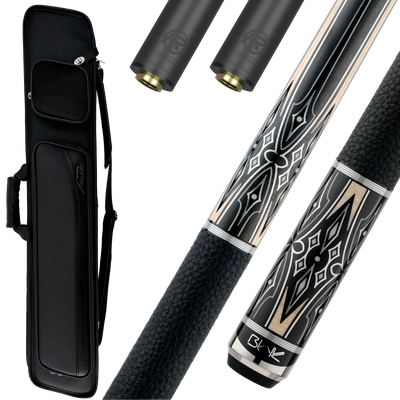
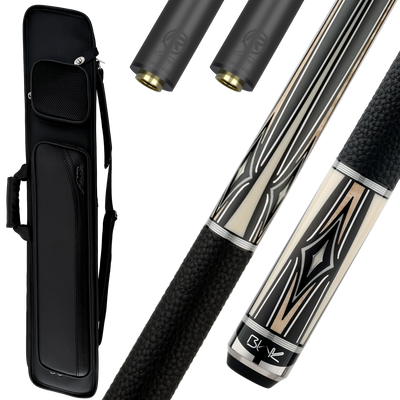
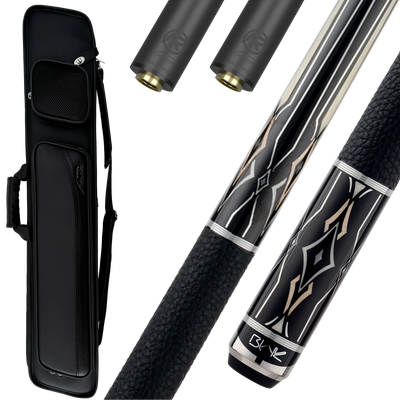
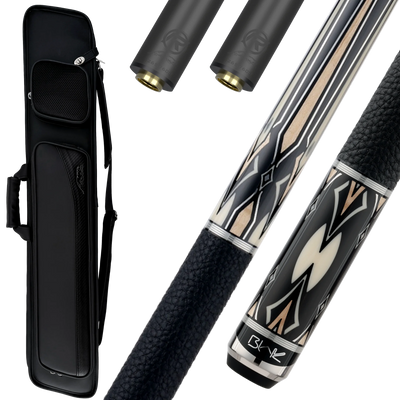
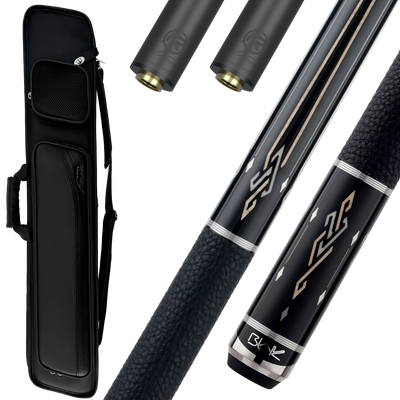
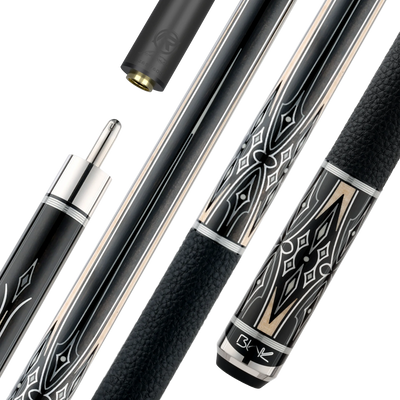
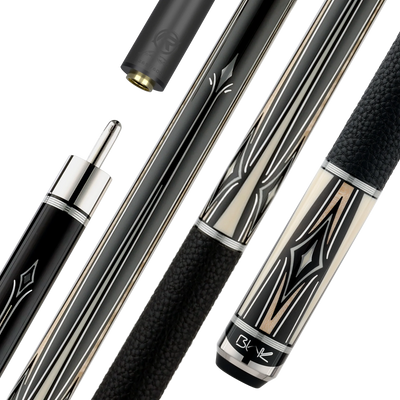
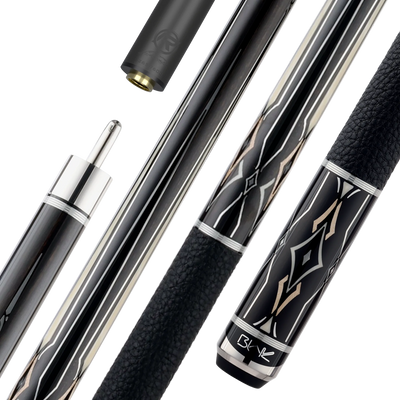
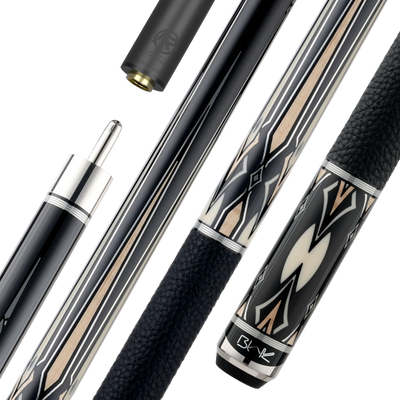
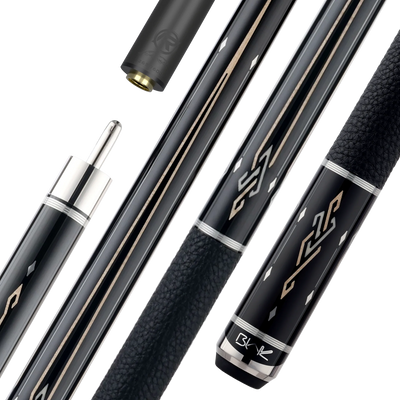

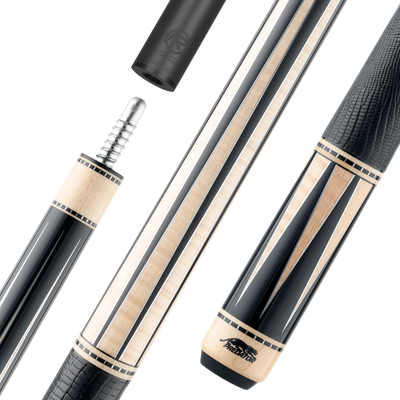

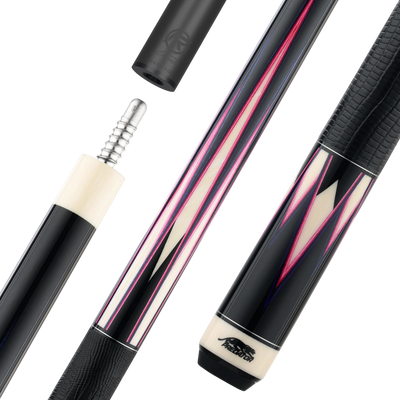
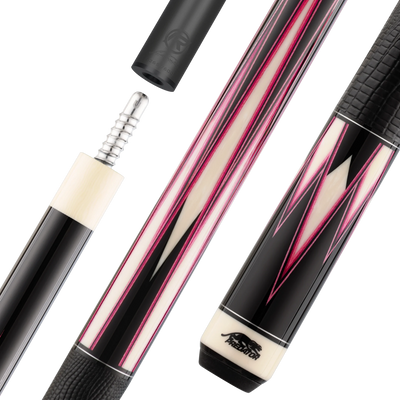
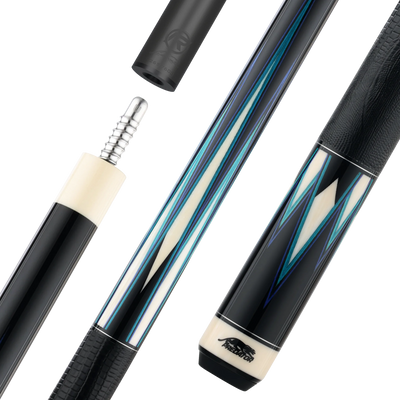
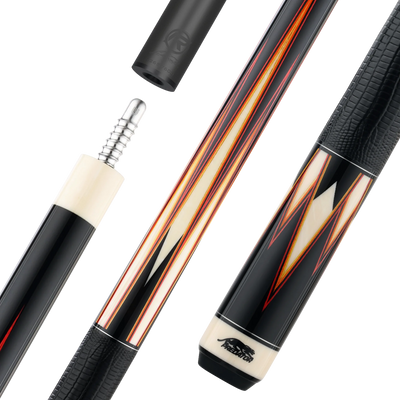
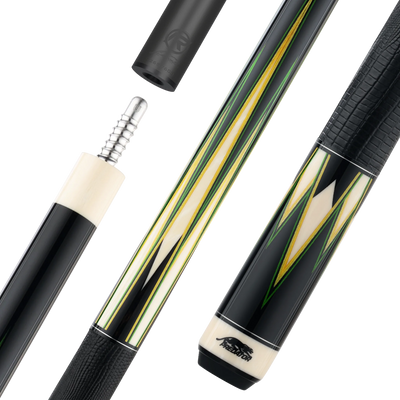
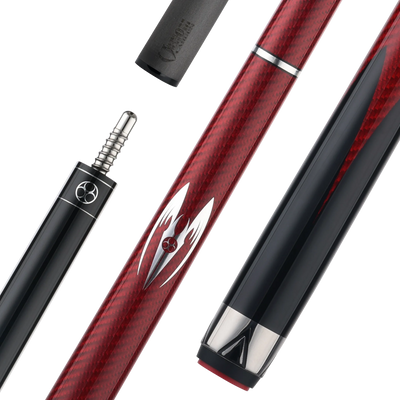
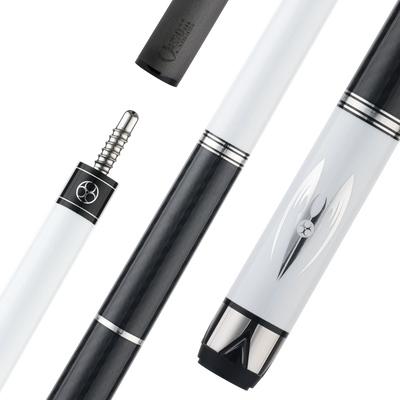
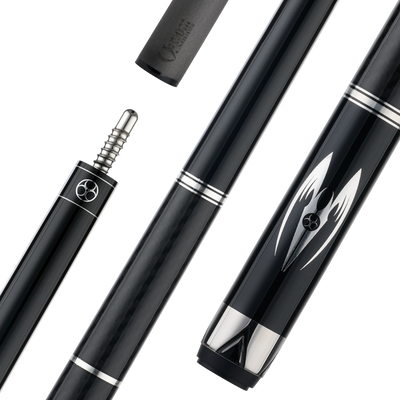
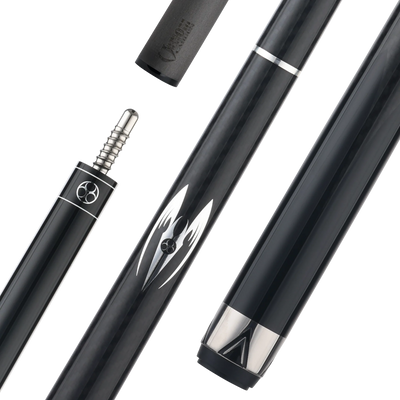
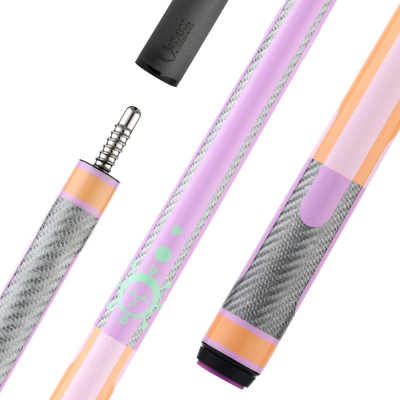
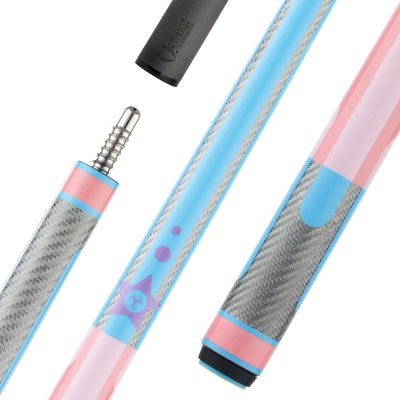
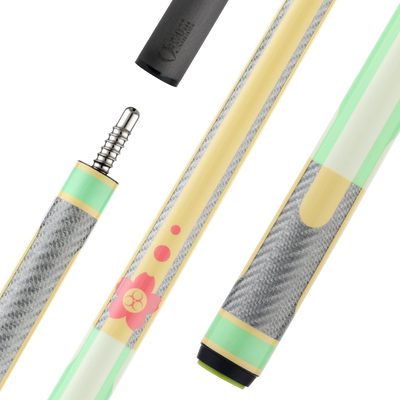
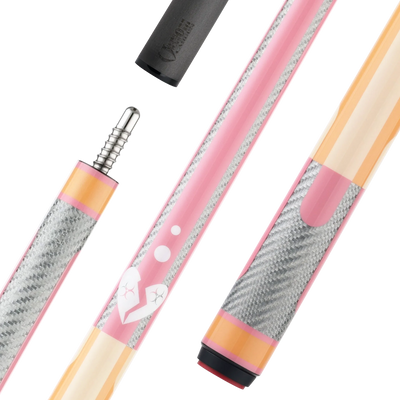
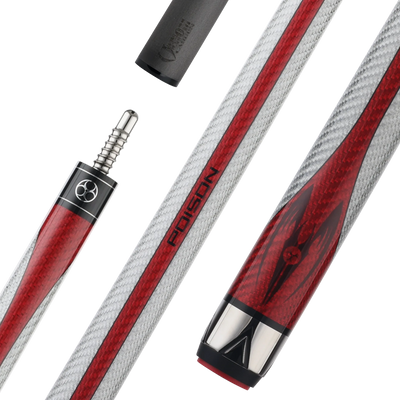
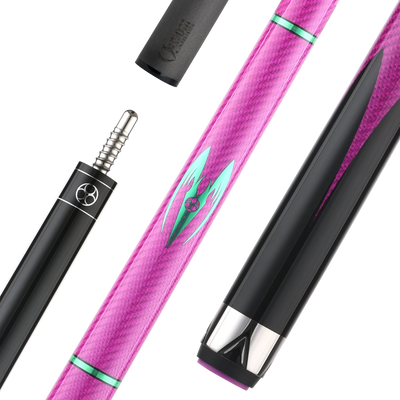
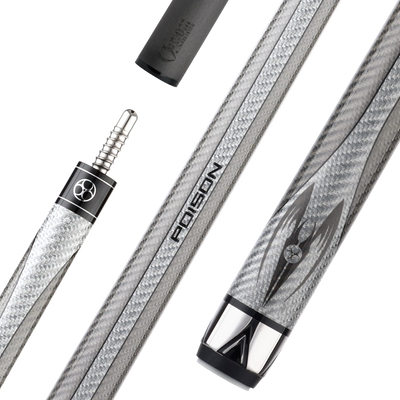
Is carbon fiber a composite material?
Yes. Carbon fiber pool cues, automotive parts, aircraft components, and sporting equipment all use carbon fiber as part of a composite material system. "Carbon fiber" by itself refers to the raw fibers — long, thin strands of nearly pure carbon. In real-world products, those fibers are always combined with a binder material (most commonly an epoxy resin) to form the finished part. The combination of fibers plus binder is what makes it a composite.
This is why you'll sometimes see the technically more precise terms "carbon fiber reinforced polymer" (CFRP) or "carbon fiber composite" used interchangeably with "carbon fiber" in product descriptions. They're all referring to the same thing: an engineered material that uses carbon fibers embedded in a resin matrix.
How carbon fiber composite is made
The manufacturing process for an aerospace-grade carbon fiber composite — the type used in Predator REVO shafts and other premium pool cues — involves several precise steps:
1. Fiber Production
Carbon fibers begin as a polymer precursor (most commonly polyacrylonitrile, or PAN). The precursor is heated in stages, eventually reaching temperatures over 1,000°C in an oxygen-free environment. This process drives off non-carbon elements, leaving fibers that are over 90% pure carbon. Each fiber is roughly 5-10 micrometers in diameter — about a tenth the thickness of a human hair.
2. Fiber Arrangement
The individual fibers are bundled into "tows" of thousands of strands, then woven into sheets, tapes, or unidirectional fabrics. The orientation of the fibers in the final product is engineered to provide strength in specific directions.
3. Lay-Up
The fabric is cut to shape and layered into a mold. Multiple layers (often 20+) are stacked with their fiber orientations carefully alternated to balance strength across multiple directions.
4. Resin Infusion
A high-performance thermoset resin (most commonly epoxy) is introduced to fully wet the fibers and fill the voids between them. The resin bonds the fibers together and holds the final shape.
4. Curing
The lay-up is heated under pressure in an autoclave or press. The resin cures to its final hardness, creating a single, monolithic composite part with the fibers locked in their engineered orientations.
What makes carbon fiber composite ideal for pool cue shafts
Several properties of carbon fiber composite make it specifically well-suited to pool cue shaft construction:
Dimensional Stability
Once cured, carbon fiber composite doesn't absorb moisture from humid air, doesn't expand or contract significantly with temperature changes, and doesn't warp over time. A maple shaft can shift dimensionally based on storage conditions; a carbon fiber shaft doesn't.
Engineered Weight Distribution
Pool cue performance depends heavily on where the mass is distributed along the shaft. Maple's density is a given property of the wood; carbon fiber composite allows manufacturers to precisely control mass distribution. Predator REVO shafts use this to put less mass in the front 8 inches of the shaft — which is what produces their industry-leading low-deflection performance.
High Stiffness-To-Weight Ratio
Stiffer shafts transfer more energy from your stroke into the cue ball. Carbon fiber composite is far stiffer per unit of weight than maple, allowing thinner, lighter shafts that still hit with authority.
Durability
Carbon fiber composite resists chipping, dinging, splintering, and warping. A well-maintained carbon fiber shaft can perform identically in year ten as it did on day one.
Manufacturing Consistency
Two maple shafts cut from different trees will have subtle differences in density, grain, and stiffness. Two carbon fiber composite shafts manufactured in the same run are nearly identical. This is why tournament players who own multiple carbon fiber shafts can swap between them without recalibrating their stroke.
Where carbon fiber composite is used beyond pool cues
To put the material in context, carbon fiber composite is the same fundamental material used in:
- Commercial aircraft fuselages and wing components (Boeing 787, Airbus A350)
- Formula 1 chassis and structural components
- Spacecraft, satellite structures, and the SpaceX Falcon rockets
- Performance bicycles (frames, wheels, components)
- Prosthetic limbs and high-end orthotics
- Golf shafts, tennis rackets, and hockey sticks
- Wind turbine blades
When you pick up a carbon fiber pool cue, you're holding the same class of engineered material that holds together airliners. The application is different — the principles are identical.
Carbon Vs. Wood
Carbon fiber composite vs other shaft materials
How carbon fiber composite compares to other materials used in pool cue shafts:
| Feature | Carbon Fiber Predator REVO | Maple Wood | Hybrid Carbon Fiber + Maple |
|---|---|---|---|
| Feel | ConsistentModern response that stays the same over time. | TraditionalFeel many traditional players prefer. | Best of BothAims for a wood-like feel with added composite stability. |
| Stiffness | HighHigher stiffness-to-weight ratio from the composite construction. | LessLess stiff than carbon fiber. | MixBetween maple and full carbon, depending on build. |
| Stability | ExcellentResists warping and stays true over time. | Fairly StableLess consistent than carbon fiber. | ImprovedOver solid maple thanks to composite reinforcement. |
| Humidity Resistance | ImmuneLargely unaffected by humidity and temperature swings. | SensitiveSusceptible to humidity, which can cause warping. | ImprovedBetter than solid maple; the wood core is still a factor. |
| Durability | Highly DurableResists the gradual degradation wood can see. | Durable With CareBut degrades gradually over time. | ImprovedMore durable than solid maple |
| Low-Deflection Performance | BestEngineered low-deflection performance comes from optimized end-mass and radial consistency, not stiffness alone. | LowLow-deflection maple shafts are achieved through specific construction | VariesDue to design and intended performance target. |
| Best For | ProfessionalsPlayers who want maximum consistency, stability, and longevity. | Beginner-AdvancedPlayers who prefer a traditional wood feel and look. | All LevelsPlayers wanting a blend of wood feel and composite stability. |
| Price Tier | Premium | Entry-Level | Mid-Range |
Carbon Fiber Composite Material Questions
Yes, carbon fiber is a composite material. The term 'carbon fiber' refers to both the raw fibers themselves and the finished composite product that combines those fibers with a resin matrix. In any real-world product — pool cues, aircraft, race cars — the carbon fibers are always combined with a binder material (most commonly epoxy resin) to form the structural composite.
Technically, 'carbon fiber' refers to the raw fibers — long, thin strands of nearly pure carbon. 'Carbon fiber composite' refers to the finished material that combines those fibers with a resin binder. In common usage, both terms refer to the same finished product. You'll also see the more technical term 'carbon fiber reinforced polymer' (CFRP) used interchangeably.
Carbon fiber composite is made through a five-step process: (1) Carbon fibers are produced by heating a polymer precursor like PAN to over 1,000°C in an oxygen-free environment. (2) The fibers are bundled into tows and woven into fabric. (3) The fabric is layered into a mold in engineered orientations. (4) High-performance epoxy resin is infused to bond the fibers. (5) The assembly is cured under heat and pressure, producing a single solid composite part.
Carbon fiber shafts are built from aerospace-grade composite that does not warp, absorb moisture, or react to temperature changes. They produce very low deflection and play identically over time. Maple shafts are made from wood, which has natural variation between pieces, can warp, dent and reacts to humidity. A premium maple shaft like the Predator 314-3 still delivers excellent low-deflection performance, but carbon fiber offers greater consistency and durability across climates and years of use.
Carbon fiber composite is used in pool cue shafts because it offers four key advantages over traditional maple: dimensional stability (no warping from humidity), engineered weight distribution (lower cue ball deflection), high stiffness-to-weight ratio (better energy transfer), and exceptional durability (effectively unlimited service life). Predator pioneered the use of aerospace-grade carbon fiber composite in pool cue shafts with the REVO® line.
Yes, by every meaningful measure. Pound for pound, properly manufactured carbon fiber composite is significantly stronger than maple wood in tensile strength, stiffness, and impact resistance. It's also dramatically more dimensionally stable — meaning it doesn't change shape or properties with humidity, temperature, or age. The trade-off is cost: carbon fiber composite is much more expensive to manufacture than wood.


