


Updated October 2026
What Is a Carbon Fiber Pool Cue?
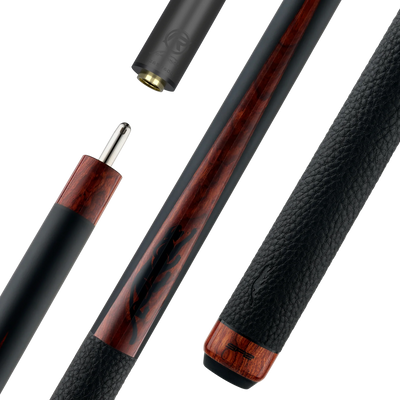
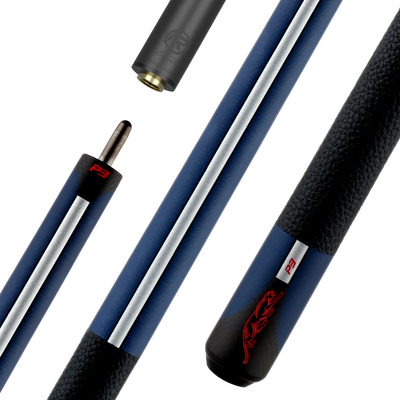
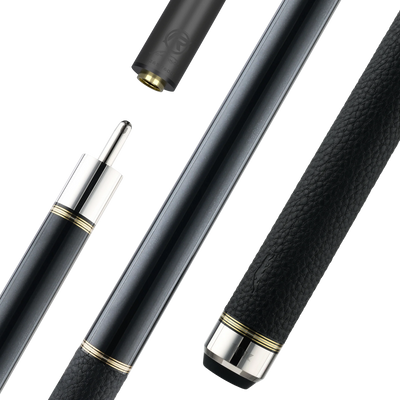
A carbon fiber pool cue is a cue that uses carbon fiber composite material — the same aerospace-grade material used in aircraft, race cars, and high-end sporting equipment — in place of traditional maple wood. In most carbon fiber cues, the carbon fiber is in the shaft (the front, working portion of the cue), with the butt typically still made of wood. In advanced cues like the Predator P3 Series, carbon fiber technology extends into the butt construction as well.
The result is a cue that performs more consistently, lasts longer, and delivers lower cue ball deflection on side-spin shots than a traditional maple cue.
How a carbon fiber pool cue is built
A carbon fiber pool cue shaft is constructed in fundamentally different way from a maple shaft. Where a maple shaft is turned from a single piece of selected hard maple, a carbon fiber shaft is built by layering thin sheets of carbon fiber fabric — each containing thousands of individual carbon strands — and bonding them with high-performance resin under heat and pressure.
The process allows engineers to control the shaft's:
- Weight distribution — Less mass in the front 8 inches reduces cue ball deflection
- Stiffness profile — Precisely tuned for power transfer without losing feel
- Dimensional stability — The cured composite doesn't expand, contract, or warp with humidity
- Surface finish — A consistent, low-friction playing surface that stays the same over years of play
For more detail on the material itself, see our explainer on what carbon fiber composite is.
Shop the top picks
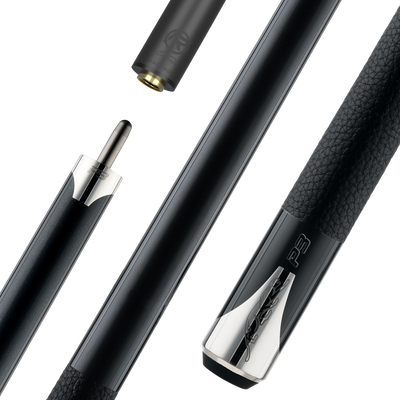
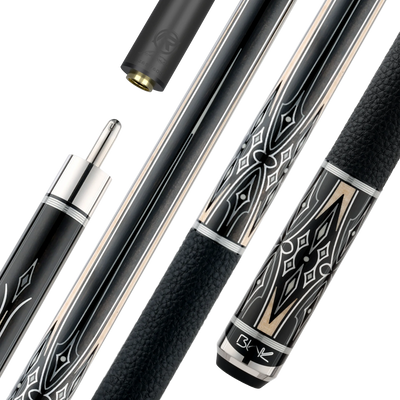
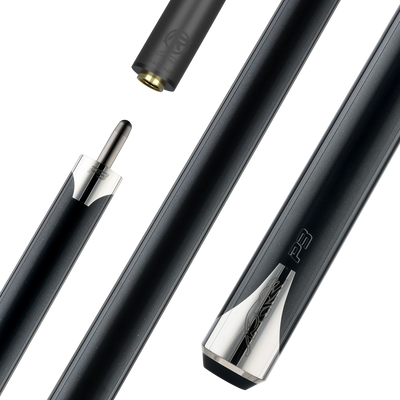
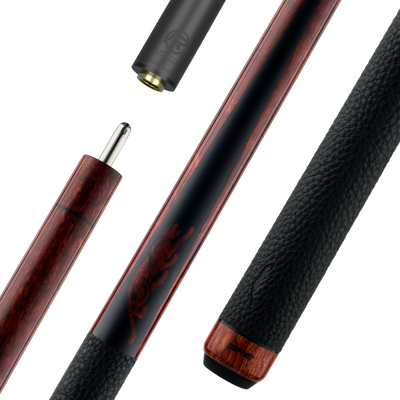
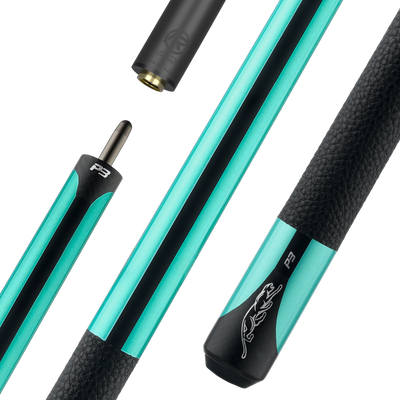
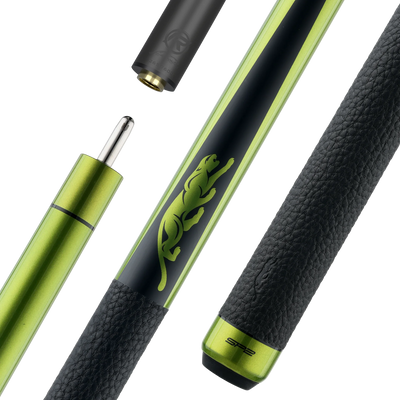

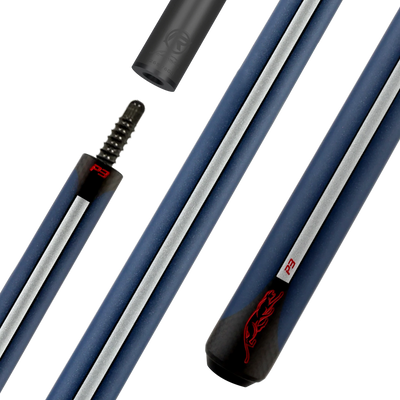
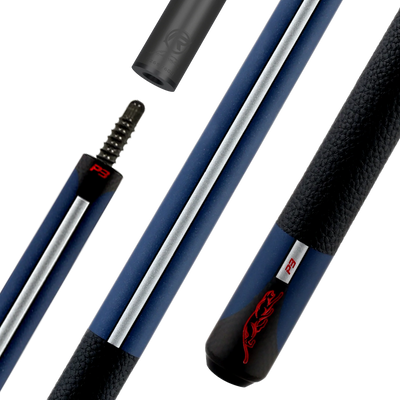
Why players choose carbon fiber pool cues
The three biggest reasons players switch from maple to carbon fiber:
1. Lower cue ball deflection
When you strike the cue ball with side-spin (English), a traditional maple shaft pushes the cue ball off your intended aim line. The technical term is "squirt" or "deflection." A carbon fiber shaft like the Predator REVO is engineered with extremely low front-end mass, which dramatically reduces this deflection. The practical result: you can aim closer to where you actually want the cue ball to go, and your spin shots become more predictable.
2. Dimensional stability
Maple is a natural material. It absorbs moisture from humid air. It contracts in dry air. It can warp if leaned against a wall or stored upright for too long. Tournament players know the frustration of a shaft that played true in their home pool hall but plays differently in a hotel ballroom 1,000 miles away.
Carbon fiber composite is dimensionally stable. The shaft you bring to a tournament plays the same as the shaft you practice with at home. The shaft you use today will play the same in year ten.
3. Longevity
A serious player's maple shaft typically needs replacement every 3-5 years due to normal wear, accumulated chalk in the grain, and gradual changes in the wood. A carbon fiber shaft, properly maintained, plays the same indefinitely. The shaft outlasts the cue.
Predator REVO shafts carry a limited-lifetime warranty against warpage — a guarantee no maple shaft manufacturer can offer.
What the Pros Use


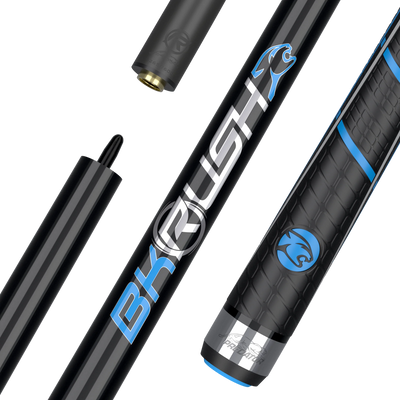
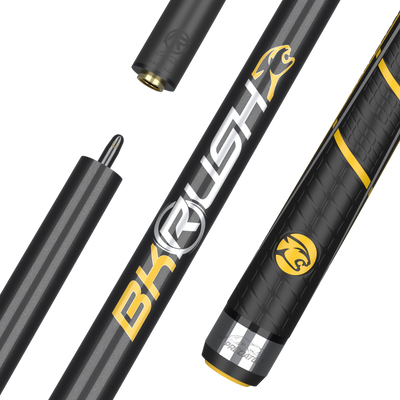
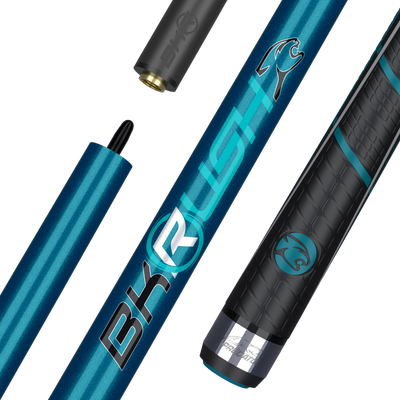
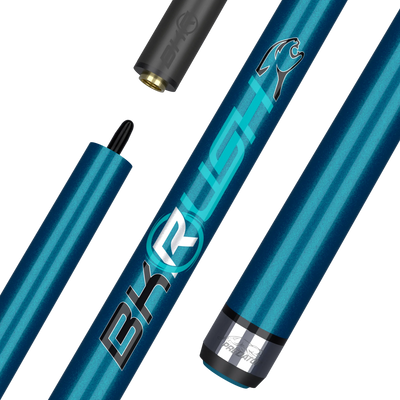
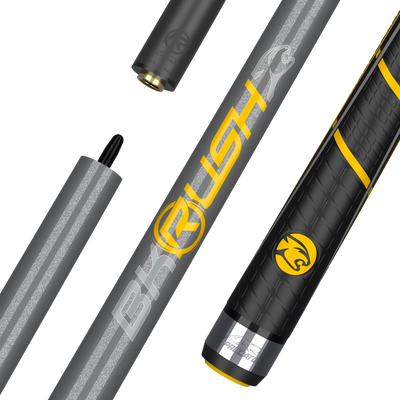
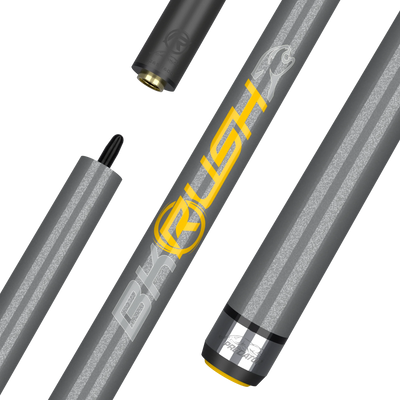
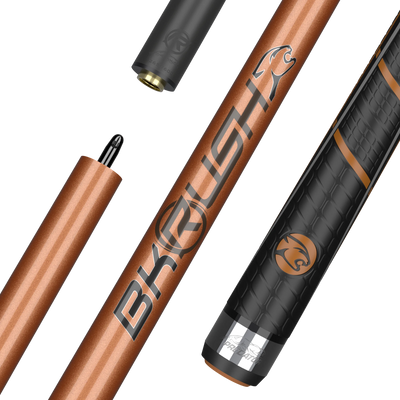
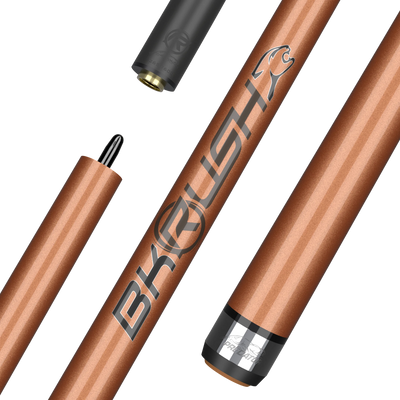
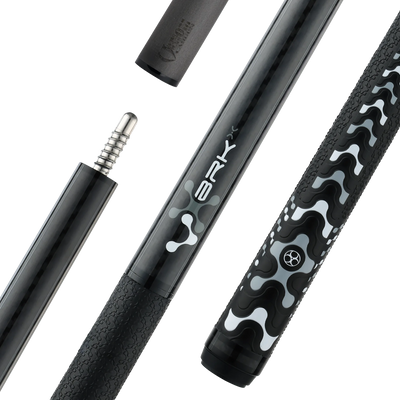
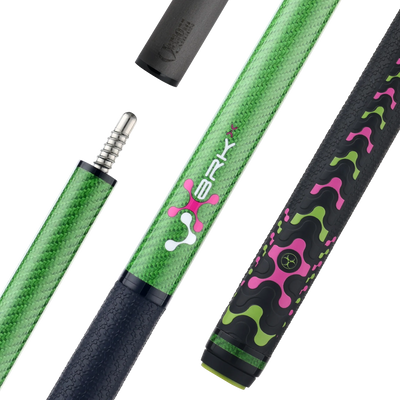
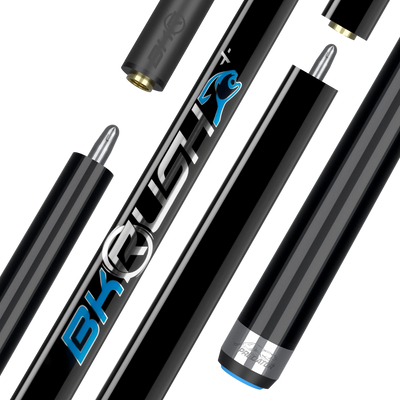

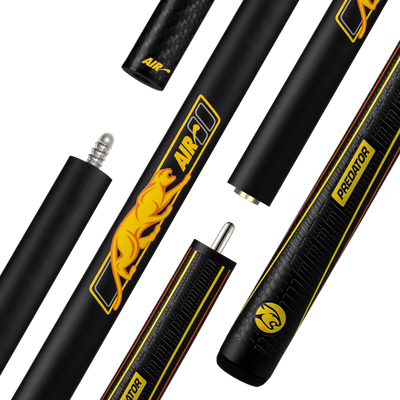
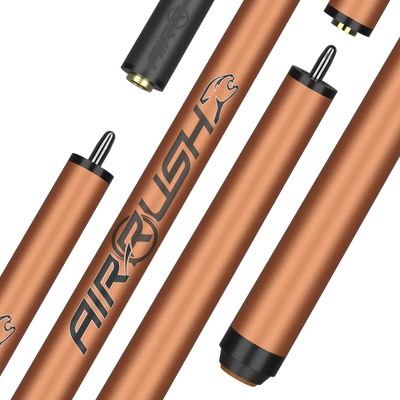
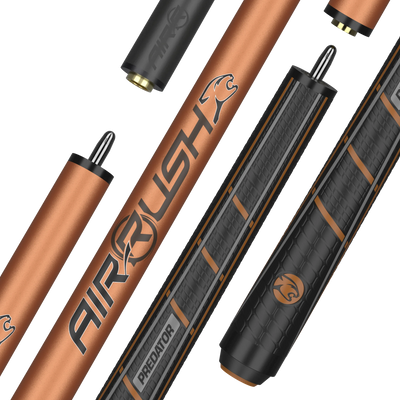
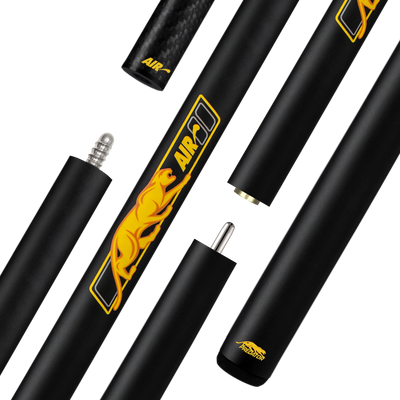
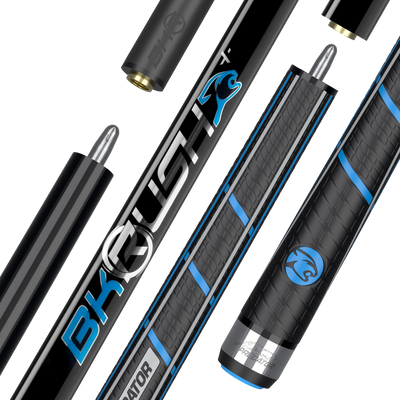
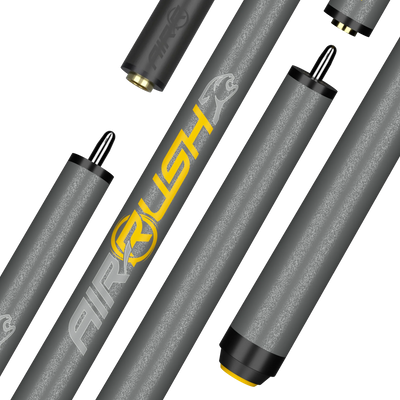
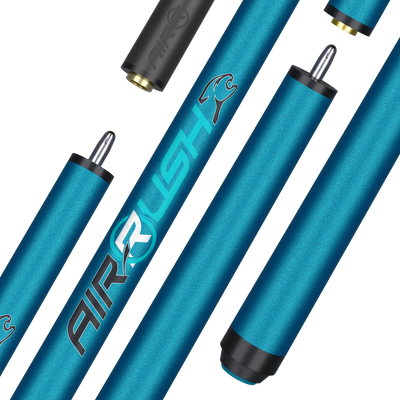
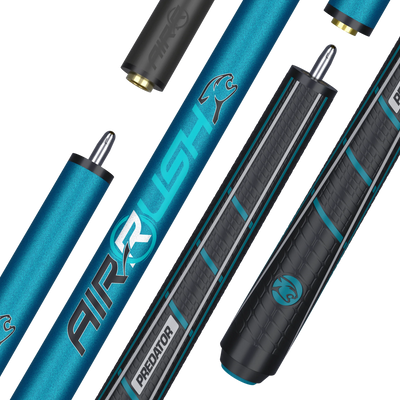
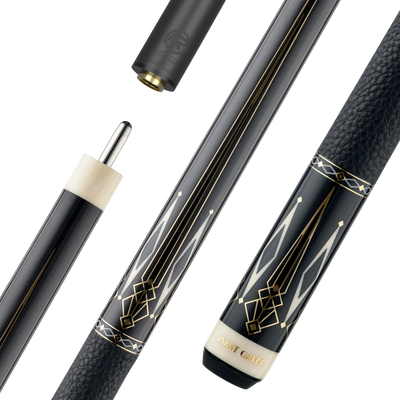
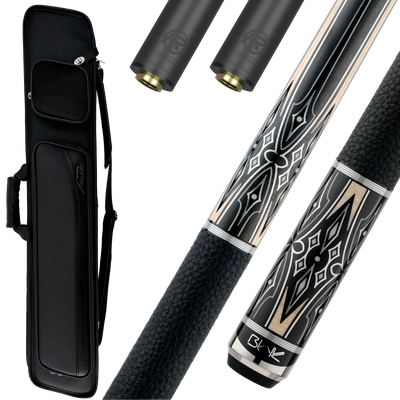
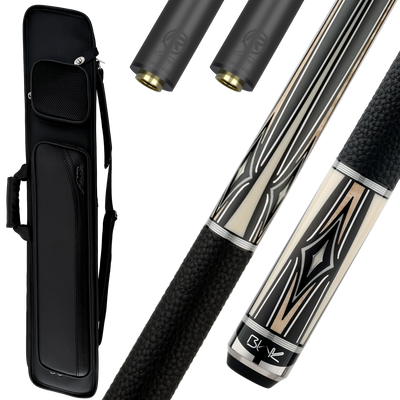
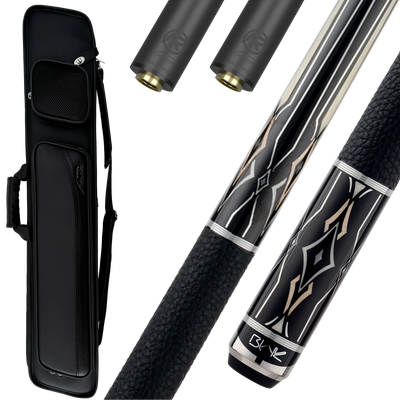
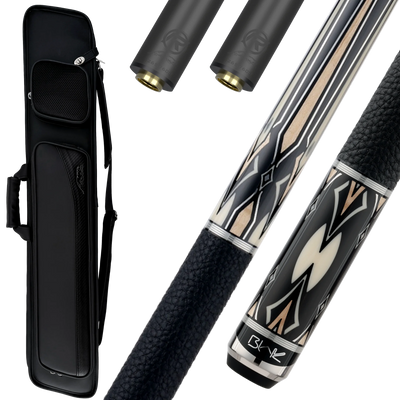
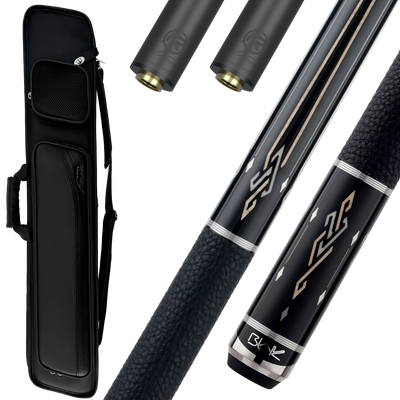
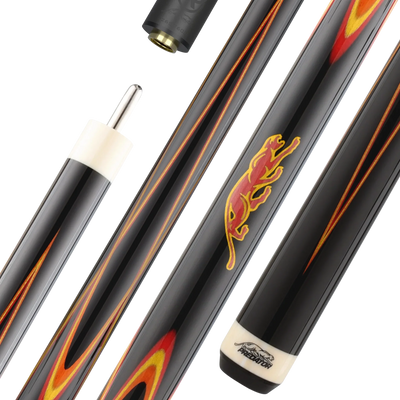
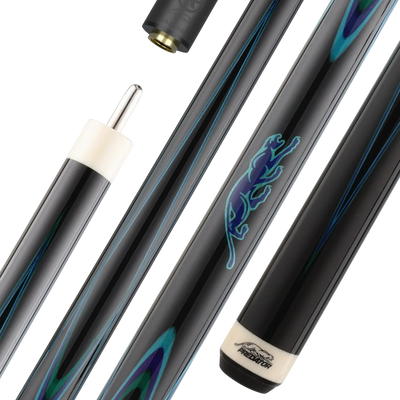
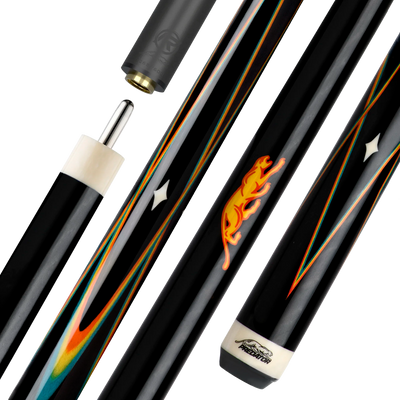
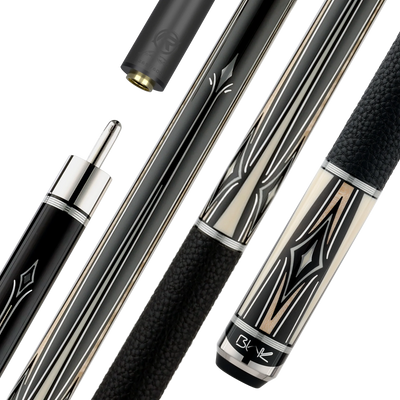
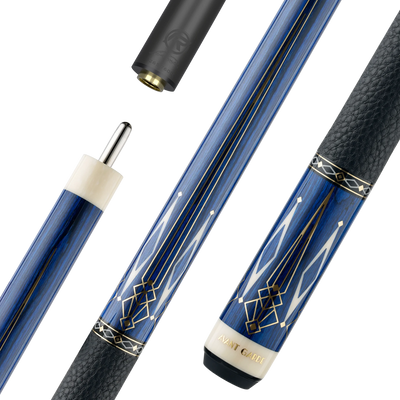
What carbon fiber pool cues feel like
The most common question from players considering a switch: "Does it feel different?"
Honest answer: yes, slightly. A carbon fiber shaft has a crisper, more direct hit than a maple shaft. The feedback through the cue is more immediate. Some players describe it as feeling "more connected" to the cue ball; others describe it as "sharper." Within a few weeks of regular play, most players adapt to the feel and stop noticing the difference.
If you specifically prefer the warmer, slightly softer feel of wood, maple still delivers that. We cover the full feel comparison in our carbon fiber vs maple pool cue shaft article.
Who should buy a carbon fiber pool cue?
Carbon fiber pool cues are the right choice for:
- Players who travel with their cue and need climate-independent performance
- Players who want the most consistent shot-to-shot experience available
- Players investing in a long-term cue they expect to own for many years
- Players who use side-spin (English) regularly and want lower deflection
- Players upgrading from a house cue or entry-level cue to their first serious cue
Carbon fiber is less essential for:
- Casual players who only use one fixed pool hall
- Players who specifically prefer the traditional feel of wood
- Players building a collection of heritage cues for aesthetic value
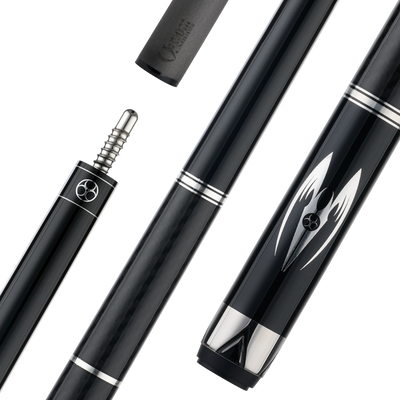
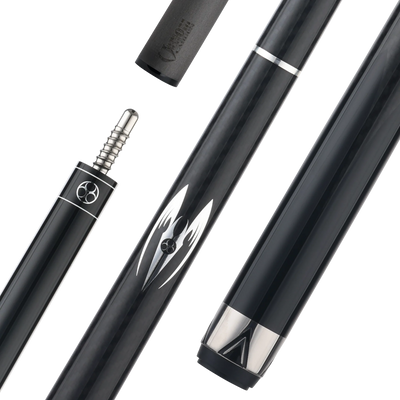
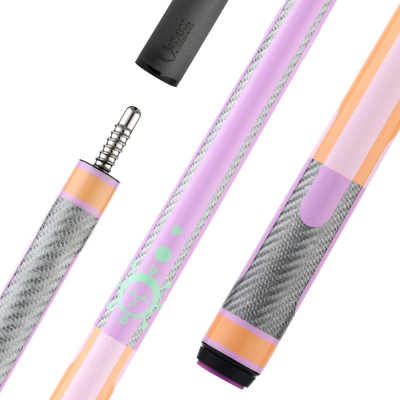
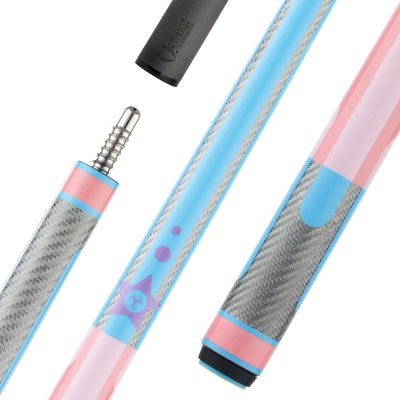
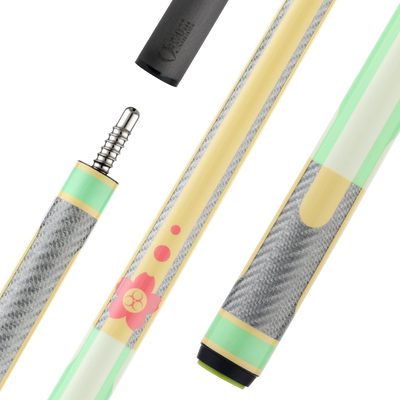
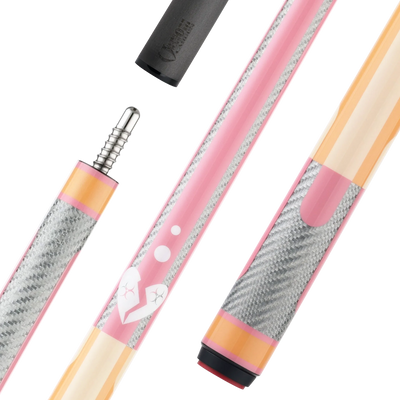
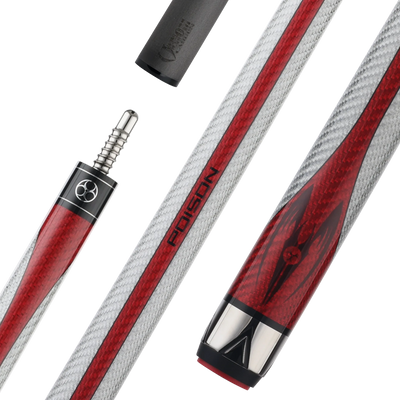
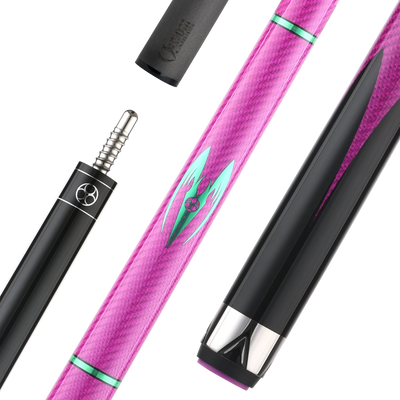
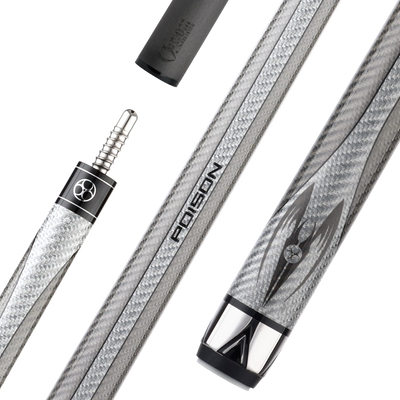
Browse our complete lineup of Predator carbon fiber pool cues, or for a more accessible entry point, see the Poison Maelith and Poison Candy lines, which use our Venom Carbon shaft at value pricing.
For more on the technology, return to the Carbon Fiber Technology Hub.
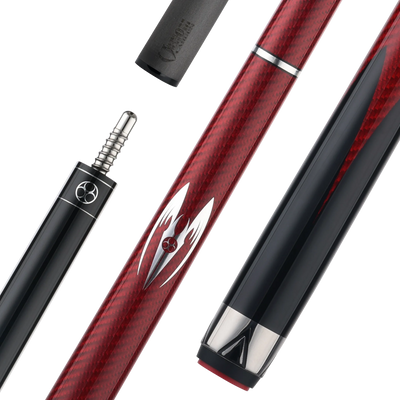
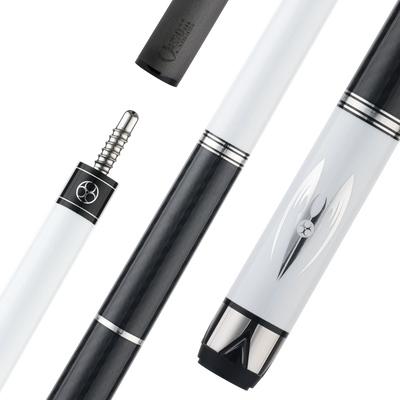
A brief history of carbon fiber in pool
Maple was the only serious shaft material in cuesports for over a century. Various manufacturers experimented with composite materials over the decades, but nothing reached widespread tournament use.
In 2017, Predator introduced the REVO® shaft — the first carbon fiber composite pool cue shaft engineered specifically for billiards using aerospace-grade materials and manufacturing processes. Within five years, the majority of top-ranked professional players had switched to carbon fiber. Other manufacturers followed Predator's lead, and carbon fiber is now established as the technology of serious pool.
Today, Predator continues to lead the category with REVO shafts available in three diameters (11.8 mm, 12.4 mm, 12.9 mm) and with the Venom Carbon shaft powering our value-tier Poison brand.
Carbon Fiber Material Questions
A carbon fiber pool cue is made primarily of carbon fiber composite material — thousands of individual carbon strands bonded with high-performance resin under heat and pressure. In most carbon fiber cues, the shaft is carbon fiber while the butt is traditional wood with metal components. Some advanced cues like the Predator P3 Series use carbon fiber technology in both the shaft and the butt construction.
Yes, carbon fiber pool cues are excellent for beginners. The low-deflection performance helps beginners build proper stroke mechanics faster than a traditional shaft would. The dimensional stability also means a beginner won't outgrow the cue's performance as they improve. The main consideration is price — entry-level carbon fiber cues start around $400, which is a meaningful investment for a beginner. The Poison Maelith and Poison Candy lines are designed specifically as accessible carbon fiber options.
A properly cared-for carbon fiber pool cue shaft can last indefinitely. The carbon fiber composite material doesn't warp, swell, or degrade the way maple does. Normal wear on the cue tip will require periodic replacement (every 6-24 months depending on play frequency), but the shaft itself is essentially a lifetime purchase. Predator REVO shafts carry a limited-lifetime warranty against warpage.
Yes, carbon fiber pool cues are fully tournament-legal in all major pool formats including BCA, APA, WPA, and professional events. Predator REVO shafts are used by world champions across 8-ball, 9-ball, 10-ball, and 3-cushion carom. Some local leagues may have specific equipment rules; always confirm with your league before a sanctioned event.
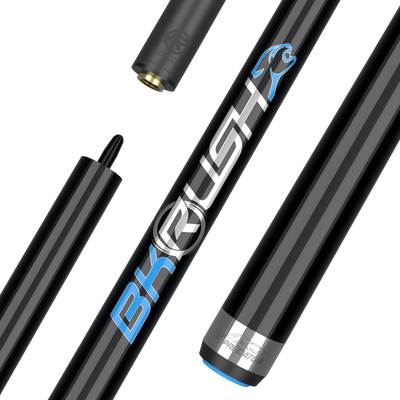
A carbon fiber pool cue uses carbon fiber composite material in the shaft (and sometimes butt) instead of traditional maple wood. The performance differences are: lower cue ball deflection on side-spin shots, no warping or humidity-related changes, longer service life, and a slightly crisper feel at impact. The visual difference is typically a black or dark grey shaft instead of the cream/tan color of maple.


